




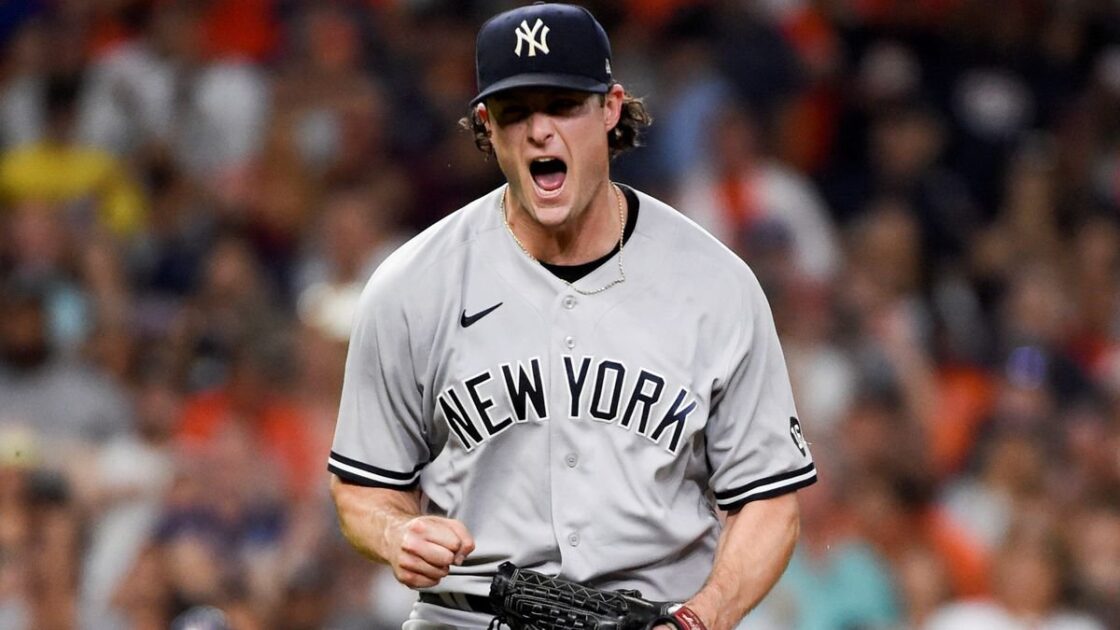
Betting on MLB player props offers a way to dive into individual matchups, giving fans a focused alternative to traditional team wagers. Instead of choosing winners or totals, player props allow you to bet on what specific players might accomplish during a game.
We break down how to understand player props, how to approach handicapping them, and what to consider when deciding which players to target — all while helping you avoid common pitfalls and maximize long-term value.
Understanding MLB Player Props
MLB player props involve betting on an individual athlete’s performance during a single game. You can wager on how many hits a player might get, whether a pitcher will go deep into the game, or if a slugger might send one into the stands. These bets are separated from the final score and instead focus entirely on the box score of individual players.
Types of MLB Player Props Available
For hitters, common props include bets on total bases, hits, home runs, runs batted in, and stolen bases. Sportsbooks often allow bets on whether a player will hit safely, drive in a run, or score. These markets reward deep player knowledge and the ability to predict who’s in the best spot to make something happen at the plate or on the bases.
Pitching props include strikeouts, walks allowed, hits given up, and total outs recorded. These props are popular because starting pitchers control the pace of the game. You can wager on whether a pitcher will exceed or fall short of their expected workload, or if they’ll rack up a high number of strikeouts against a particular lineup.
Handicapping MLB Pitching Props
To handicap strikeout props, consider the pitcher’s tendencies, pitch type usage, recent workload, and the opposing team’s profile. If the opposing lineup is known to swing aggressively or miss often, it may present a good opportunity. Be sure to consider pitch count trends and how efficient the pitcher tends to be, especially early in the game.
Some sportsbooks offer bets on how many outs a pitcher will log. This involves predicting whether the pitcher will last deep into the game. It’s essential to monitor team bullpen trends, the manager’s tendencies, and how well the pitcher typically performs the third time through the order. Teams that lean heavily on analytics might pull starters earlier, even when they’re pitching well.
Targeting Hitting Props Effectively
Even without diving into numbers, observing patterns in player performance can help. Some hitters visibly lock in at the plate for stretches, displaying better pitch recognition and barrel control. These short-term trends can create opportunities to back players who are seeing the ball well and delivering consistent results.
Matchups are everything in baseball. Consider how a batter has historically performed against a particular pitcher, or if they tend to thrive against certain pitching styles. For example, power hitters may feast on fly-ball pitchers, while speedsters do better against slow deliveries or pitchers who are easy to steal on.
Statistical Tools to Evaluate Props
While this article avoids naming specific metrics, consistency is key when evaluating props. Look for players who regularly deliver in their roles, whether as top-of-the-order hitters, middle-of-the-lineup run producers, or strikeout-heavy pitchers. Watching for lineup stability and role clarity will help you make more informed bets.
Review recent performances to evaluate form. Consider whether a player has been recently promoted in the lineup, given more responsibilities, or has returned from an injury. These subtle changes often impact prop value and create exploitable edges.
Targeting Specific Game Conditions
Different ballparks influence game flow. Some favor hitters with shorter fences or altitude benefits, while others suppress offense due to deep outfields or dense air. Understanding these park tendencies is crucial, especially when betting on home run or total bases props.
Weather plays a major role in baseball outcomes. Games played in hot, dry conditions tend to see more offense, while cold or windy settings can limit scoring. Pay close attention to forecast updates and how they might affect pitching conditions or ball carry.
Knowing When to Bet Unders
Star players attract a lot of public attention, which can inflate prop lines beyond reasonable expectations. When a line is higher than normal due to media hype or fan interest, it might be worth betting the under. Sharper bettors know how to fade the crowd and capitalize on mispriced lines.
A player’s recent explosion in performance may tempt bettors to ride the wave. However, props often overreact to short-term bursts. Evaluate if the performance is sustainable or if it was a fluke matchup. Keeping a clear head helps you avoid chasing inflated props based on yesterday’s news.
Incorporating Injury and Lineup News
Players hitting at the top of the lineup typically see more plate appearances, giving them more opportunities to exceed prop totals. On the other hand, a player moved down in the lineup might face fewer at-bats and less protection. Always check official lineups before locking in any bets.
If a player is returning from injury, they might be on a pitch or inning limit, or receive fewer at-bats. Late scratches are common in MLB, and lineup cards aren’t official until a few hours before game time. Following beat reporters and official team accounts can keep you updated and help avoid wasted bets.
Choosing Which Players to Target
Top players attract the most attention but don’t always offer the best betting value. Mid-tier players often fly under the radar, and sportsbooks may not adjust their lines as aggressively. Finding value in these lesser-known names gives bettors an edge in player prop markets.
Some players thrive in certain situations — like playing at home, during day games, or against specific pitching styles. These patterns can be exploited with the right timing. Always consider the full context of a player’s environment when deciding who to back.
Using Promotions and Line Shopping
Different sportsbooks offer different prices on the same props. Shopping for the best line can significantly increase your returns over time. Even a small difference in odds adds up over a season full of wagers. Having multiple accounts gives you access to more competitive pricing.
Promotions like profit boosts, insurance, and bonus bets are valuable tools. For example, sportsbook apps in Arizona often run local promos tailored to the Diamondbacks or players with ties to the state. These offers can turn average plays into high-value opportunities when used strategically.
Bankroll Management and Unit Sizing
A successful betting strategy isn’t just about making the right pick — it’s about managing your bankroll over time. Use consistent unit sizing, avoid overextending, and stick to a disciplined approach. This keeps your account healthy and your focus sharp across a long season.
Parlays on multiple player props often combine correlated outcomes that look good on paper but come with inflated juice. While they promise big returns, the risk is usually not worth it. Stick with well-researched individual plays unless you’re using a bonus or promo to mitigate risk.
Letting Strategy Guide Your Bets: Thinking Beyond the Numbers
MLB player props reward thoughtful, context-driven decision-making. Success doesn’t require memorizing stats — it requires understanding how player roles, game conditions, matchups, and news cycles affect performance. With research, patience, and discipline, bettors can find value in every series and build an edge over time.