




Last Updated on October 29, 2025 8:08 pm by admin
You’ve probably noticed how everything these days feels like a bit of a game. Not just actual games, but ordinary things – work, fitness apps, even scrolling through social media. We collect points, badges, likes, streaks. It’s all gamified now, wrapped in little rewards to keep us hooked. Life, in a weird way, has become one big leaderboard.
The thrill of gamified living
This idea – turning routine into play – isn’t new, but it’s grown legs lately. The more digital our lives become, the more we crave that buzz, that sense of progress. You go for a run and your watch cheers you on. You hit “complete” on a task app and get fireworks on screen. The ordinary gets dressed up with a dopamine bow.
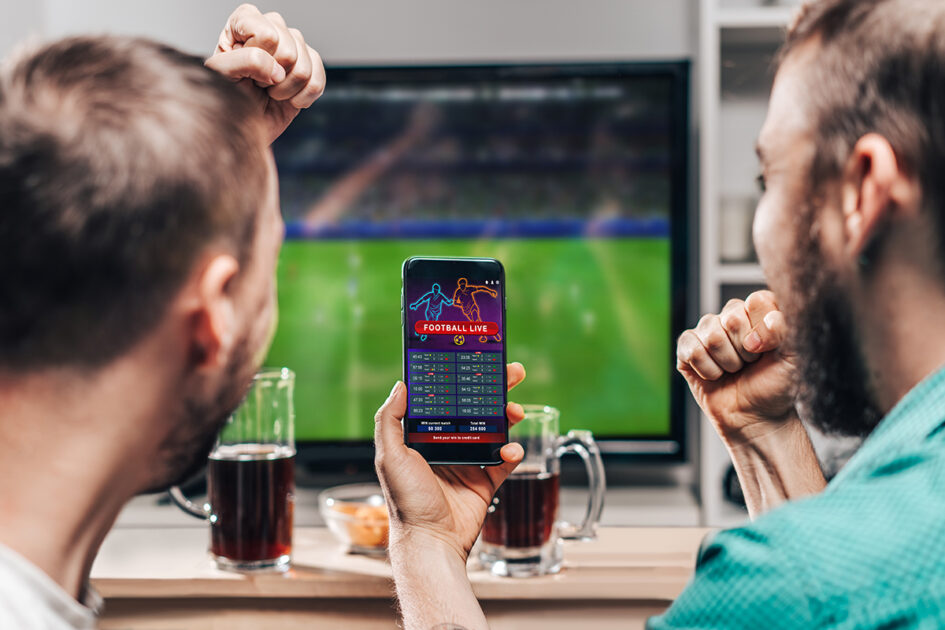
Even platforms such as Slots Charm casino seem to grasp this instinct better than most. It’s a well-known UK site offering a broad mix of slots and other entertainment options, blending excitement with reliability. With smooth transactions, attractive bonuses, and an easy layout, it draws in players looking for a thrill that feels both safe and engaging. But beyond all that, what really hooks people isn’t just the win itself – it’s that subtle rhythm of suspense and reward, the same pulse that drives so much of modern life’s little pleasures.
Why the brain loves points, levels, and little wins
We’re wired to respond to feedback. That’s why a simple “well done” or a glowing notification can feel like a pat on the back. Dopamine – that tricky chemical – doesn’t just make us happy; it teaches us to keep going. It rewards the process, not just the outcome.
Every time your phone pings or your fitness tracker lights up, your brain gets a micro-hit of excitement. It’s tiny, but it adds up. Soon, we’re living in a world designed to reward us for existing, for ticking boxes, for showing up. And that, my friend, is addictive.
Common ways life’s been gamified
- Fitness apps: daily goals, badges, progress streaks.
- Work productivity tools: point systems, completion bars, “achievements.”
- Social media: likes, followers, milestones.
- Finance apps: cashback challenges, saving streaks, level-ups.
- Education platforms: quiz scores, progress charts, gold stars for consistency.
Each one gives a sense of control, a feeling that the mundane is somehow worth more because it’s measurable.
From simple routines to emotional wagers
It’s not just digital rewards anymore. The emotional stakes have gone up too. We gamble – not always with money, but with feelings. You post a photo and wait to see who reacts. You take a risk at work hoping it’ll pay off. You commit to something uncertain because maybe, just maybe, it’ll feel worth it.
The same pattern repeats across everything we do – from dating apps to crypto trading. Every swipe, every refresh, every “maybe next time” keeps us on the hook. It’s emotional roulette disguised as daily life.
How gamification taps into our primal instincts
It all loops back to survival. Our ancestors had to stay alert, respond to change, and chase outcomes. Now, those same instincts get hijacked by modern triggers – notifications, sound effects, colour cues. They tell the brain something important is happening, even when it’s not.
This is what makes gamification so powerful. It transforms the routine into a small-scale thrill. You start checking your progress not because it matters deeply, but because it feels like it does. That’s the trick – turning effort into emotion.
Table: The psychology behind everyday gamification
| Trigger | What It Does | How It Feels |
| Progress bars | Visual proof of effort | Satisfaction, control |
| Notifications | Anticipation spike | Curiosity, alertness |
| Rewards | Reinforce habit | Pride, relief |
| Streaks | Encourage consistency | Fear of loss |
| Leaderboards | Create competition | Motivation, envy |
Once you notice it, you see it everywhere. That red dot on your phone. The “streak” you don’t want to break. The feeling that missing a day means losing something.
When the fun turns into pressure
Of course, there’s a dark side to all this. What starts as a fun challenge can slide into obsession. You’re no longer doing it for enjoyment – you’re doing it to avoid that empty feeling when the progress resets. That’s when gamification stops being a motivator and becomes a stressor.
Take social media. What used to be casual sharing has turned into a scoreboard. The likes, the followers, the engagement – it’s gamified approval. And when it dips, so does mood. The emotional stakes feel real, even though they’re virtual.
The same happens at work. Targets become trophies. Metrics turn into meaning. It’s easy to forget the difference between progress and pressure when everything is tracked and ranked.
Making peace with the “play” in life
There’s nothing wrong with gamifying your routines. In fact, it can make boring stuff bearable. But it’s worth remembering that not every moment has to be measured or rewarded. Some things can just be.
To keep things balanced, a few reminders help:
- Don’t chase streaks – chase satisfaction. Missing a day doesn’t mean failing.
- Turn off non-essential notifications. Silence brings focus.
- Find joy in slow progress. Not every step needs a badge.
- Use gamification as a tool, not a trap. It should inspire, not drain you.
The idea isn’t to strip the fun out of life, but to take ownership of it again. Make the game yours – not the other way round.
Life as a playful gamble
Maybe this is the real point of it all. We’ve built a world where emotion and progress are intertwined. Every action, no matter how small, carries a little spark of risk – an emotional wager. Will it pay off? Will it feel good?
That mix of curiosity and uncertainty is what keeps life from going flat. It’s the pulse behind our choices, the reason we take chances. And maybe, just maybe, that’s what makes us feel alive – not the win itself, but the thrill of playing.