


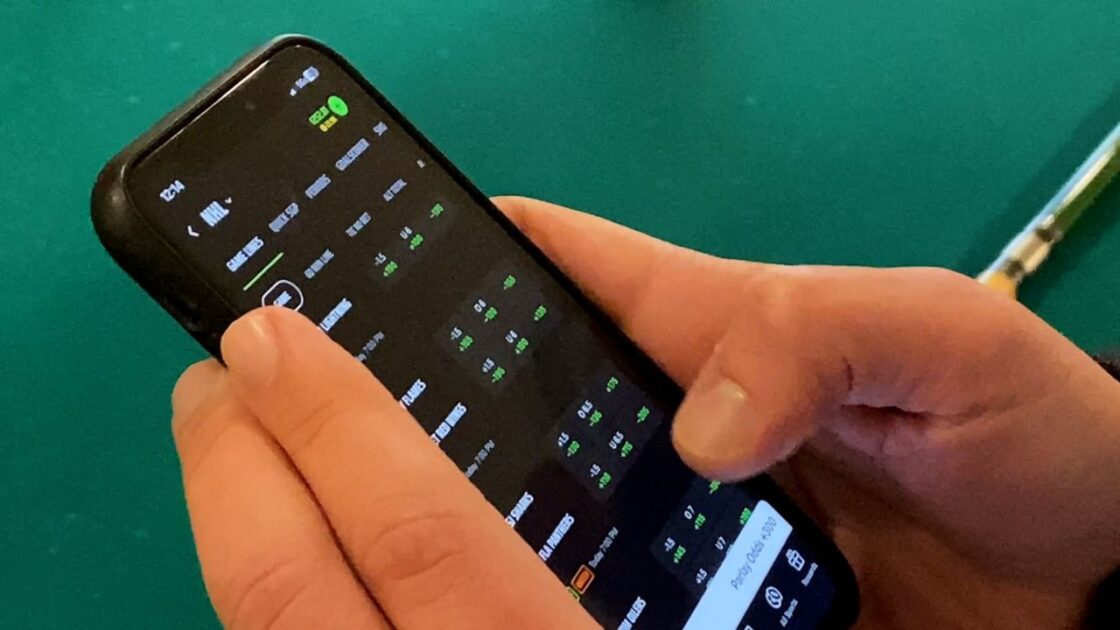
A decade ago, opening a betting site meant typing a web address, waiting for a homepage to load, and clicking through a maze of tabs to find a single match odds page. That pattern has quietly disappeared for millions of users across Europe, Latin America and the Middle East. Instead of browsing, people now tap. A shortcut icon sits on the home screen, a notification pulls them straight into a live match, and the browser itself becomes almost invisible – just a container for something that behaves exactly like a native app.
This shift didn’t happen by accident. It reflects how mobile operators, regulators, and betting companies rebuilt their web architecture to compete with app stores that often reject gambling products outright. Platforms known for sports betting and online casino services, including options such as Dubibet casino, represent this broader category of operators that have restructured their mobile web layer to mimic the instant responsiveness users expect from installed apps, even when no traditional app exists.
Understanding why this matters requires looking past design trends and into the practical, regional, and technical forces pushing operators toward app-like browsing.
Why App Stores Pushed Betting Sites Toward the Browser
Google Play and the Apple App Store have tightened restrictions on real-money gambling apps for years, requiring local licensing proof, age-verification systems, and region-locked availability. For operators trying to serve players across multiple jurisdictions, maintaining a compliant native app in every store became a logistical burden.
The workaround was progressive web technology – websites engineered to:
- Load instantly on repeat visits using cached data
- Send push notifications without requiring an app download
- Save a home-screen icon that opens full-screen, hiding browser bars
- Function offline for menus, account pages, or cached bet slips
- Update instantly without waiting for app-store approval cycles
This gave operators a way to deliver an app-grade experience while staying entirely inside a browser environment, avoiding store rejection risks and regional restrictions altogether.
The Behavioral Signals That Forced the Redesign
Analytics from mobile-first markets show a consistent pattern: users abandon a betting page if it takes more than three seconds to load odds after a tap. In markets like Brazil, Nigeria, and parts of Southeast Asia, where mid-range Android devices dominate, heavy desktop-style pages simply failed on weaker processors and inconsistent 4G connections.
Operators responded by:
- Stripping desktop-era animations and replacing them with lightweight, instant-loading interfaces
- Prioritizing thumb-reachable navigation bars instead of top-menu desktop layouts
- Rebuilding live-odds updates to refresh without reloading the entire page
- Compressing casino game assets so slots and live-dealer streams launch in under two seconds
None of this was cosmetic. Each adjustment came from tracking where users dropped off and rebuilding the exact friction points that made browsing feel slower than an app.
Regional Habits That Shaped the Interface
The move toward app-like browsing didn’t look identical everywhere. In regions with restrictive app-store gambling policies, operators leaned harder into home-screen shortcuts and push notifications as a replacement for traditional app engagement tools. In markets with strong 5G penetration, the emphasis shifted instead toward richer live-streaming layers and faster in-play betting refresh rates.
Cultural betting habits also influenced interface choices:
- In football-heavy regions, live match trackers were pinned to the top of the mobile layout
- In markets with strong casino-table traditions, live-dealer thumbnails were prioritized over sports odds
- In areas with older device penetration, operators built simplified “lite” versions that stripped video assets entirely to preserve speed
This localized approach reinforced a broader lesson: an app-like experience isn’t a single template, but a flexible framework adjusted to how a specific audience actually behaves on their phones.
What Users Gained — and What They Quietly Lost
The upside of this shift is measurable. Faster load times, home-screen access, and app-style navigation have reduced abandonment rates and made repeat visits far more frictionless. Players no longer need to remember bookmarks or retype URLs; the platform behaves like a permanent fixture on their device.
But the transition also introduced quieter trade-offs:
- Users increasingly perceive a home-screen icon as “installed,” blurring their awareness that it’s still a browser session with different data and privacy behavior than a store-verified app
- Push notifications, once exclusive to native apps, now arrive from browser-based platforms with the same urgency, raising new questions about notification fatigue and consent clarity
- Because these experiences bypass app-store review, users lose the baseline vetting process that store platforms normally provide, shifting more responsibility onto national regulators to verify legitimacy
For casual users, the difference between an app and an app-like website is invisible. For regulators and cybersecurity researchers, it’s a growing area of scrutiny, since app-like browsing sits in a gray zone between traditional web oversight and app-store accountability.
What began as a technical workaround for store restrictions has evolved into the dominant interface language for online betting and casino platforms. The browser tab has effectively disappeared from the user’s mental model, replaced by something that feels permanent, fast, and app-native – even though, technically, nothing was ever installed at all.