







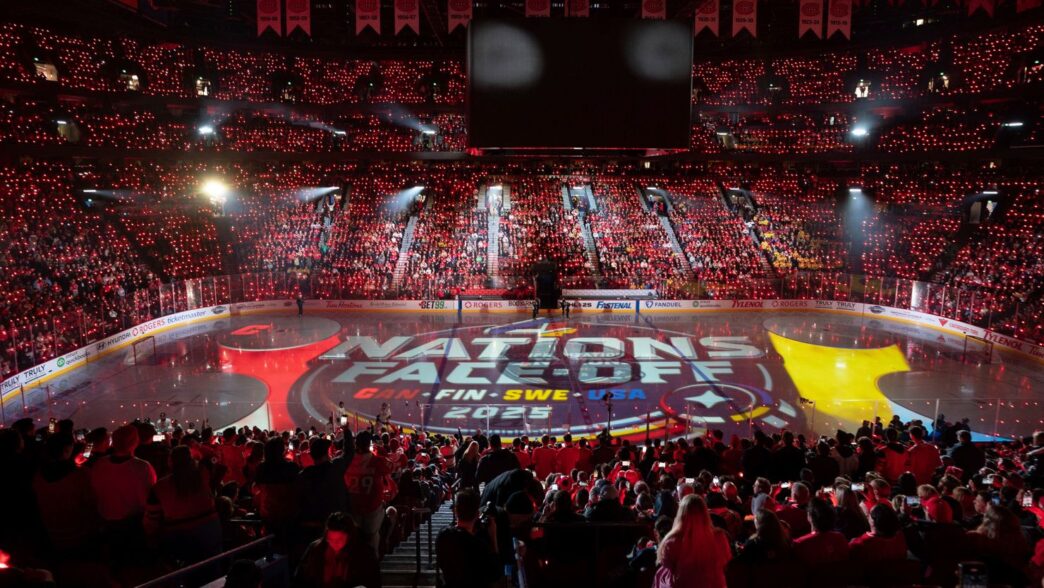
Ten years ago, being an NHL fan usually meant one main routine: catch the game on TV, check the box score later, and maybe talk about it the next day with friends or coworkers. Now the experience is constant and collaborative. The NHL follows fans throughout the day on phones, in social feeds, inside group chats, and across online communities that never really “close.” Whether you’re watching live, catching highlights on a break, or debating a coach’s decisions in real time, digital media has turned fandom into something more connected, more immediate, and more personal than ever.
1) The Game Isn’t Just on TV Anymore
NHL fandom used to be built in obvious places: the rink, the sports bar, the living room couch with a familiar broadcast crew. Those spaces still matter, but they’re no longer the only “home” for fans. Today, the NHL lives everywhere: on phones between meetings, in group chats during intermission, in highlight loops on social apps, and in communities that keep talking long after the final horn. The result is simple: NHL fans are more connected than ever, not just to the game but to each other.
2) Highlights and Short-Form Clips Create Shared Moments
Digital media has turned every game into a layered story. You can watch the live feed, then immediately jump to a slow-motion replay on X, a goalie breakdown on YouTube, and a tactical clip thread on Reddit. Even if you missed the first period, you’re not “out of it.” You’re caught up in minutes, often with more context than a traditional recap or even expert NHL playoff analysis could provide.
Highlights have become their own language. A clean toe-drag, a ridiculous glove save, and a perfectly timed hit. These moments travel fast, and fans respond fast. People quote them, remix them, argue about them, and turn them into shared reference points that feel like an inside joke across the hockey world.
3) Fans Don’t Just Watch; They Participate
Online communities are the glue that keeps it all together. There are corners for fantasy hockey obsessives, cap-analytics nerds, jersey collectors, and the folks who mainly show up for rivalry nights. It’s not one massive conversation; it’s thousands of smaller ones.
Group chats, especially, have become a modern version of sitting in the same row at the arena. Someone calls the goal before the replay ends. Someone posts a meme mid-shift. Even if you’re watching alone, it doesn’t feel that way.
4) Players and Teams Feel Closer Than Ever
Players aren’t as distant as they used to be. Behind-the-scenes clips, short interviews, and social posts show the small human moments of training days, travel routines, locker-room celebrations, and honest reactions after losses. That visibility makes fans more invested because it turns “the team” into real people with personalities and stories.
5) Global Fandom Is Now Normal
You don’t have to live in a team’s city to be a real supporter. A fan in Spain can be a die-hard Oilers fan through streams and online communities. A kid in Alberta can follow a Swedish prospect’s junior highlights before the player ever plays an NHL shift. Geography matters less; shared interest matters more.
6) Coverage Is Personalized (and That Keeps Fans Hooked)
Instead of relying on one outlet, fans build their own mix: a beat reporter for injuries, a podcast for longer takes, a TikTok creator for quick explanations, and a former player for blunt breakdowns. This curated feed makes it easier to stay engaged daily, not just on game nights, because it matches what each fan actually cares about.
7) Betting, Fantasy, and Second-Screen Stats Add Another Layer
For some fans, engagement includes fantasy leagues, pick’em contests, and the best online sports betting at Play Alberta when they’re discussing matchups and odds like they’re breaking down lines. Play Alberta is one of the regulated online platforms, and for locals it’s a familiar, official option tied to responsible play. Because it operates in a controlled provincial framework, it can feel more straightforward for fans who prefer a trusted, local place to engage with hockey beyond just watching.
Conclusion: Connection Is the New Home-Ice Advantage
Digital media hasn’t replaced the traditions that make hockey special: rivalries, arenas, history, and the randomness of the puck. It has simply widened the doorway into the sport. Fans now have more ways to watch, more ways to learn, and more ways to belong. And that shared experience, fast, constant, and real, is why NHL fans feel more connected than ever.