


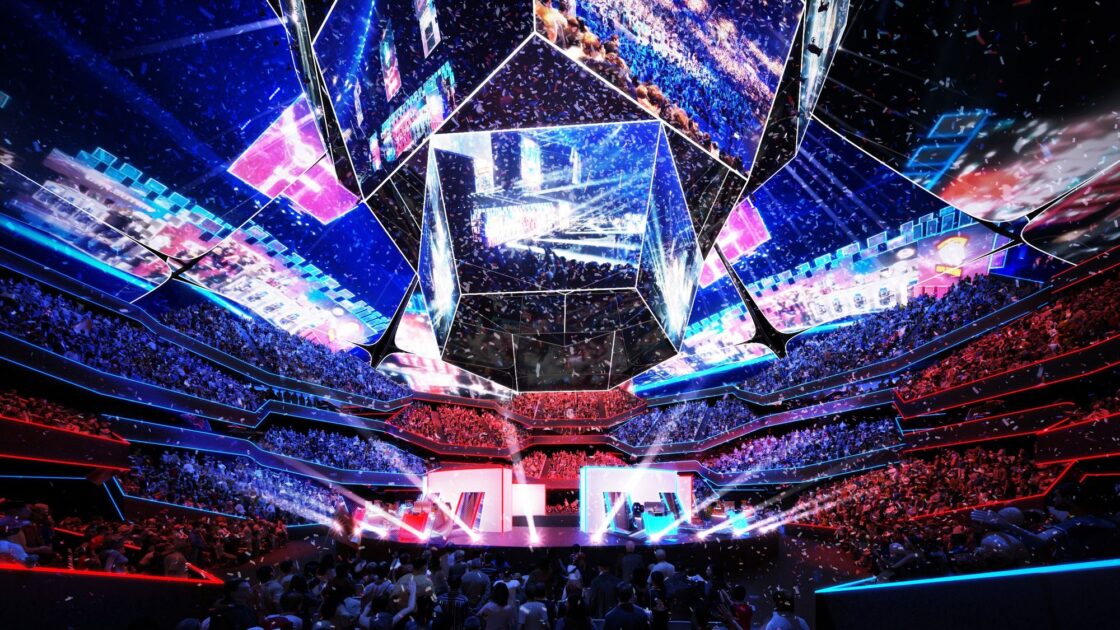
The way fans engage with sports has expanded far beyond traditional stadiums and televised broadcasts. Digital platforms, fantasy leagues, and eSports competitions have transformed the way enthusiasts experience their favourite games. Today, the sports fan can compete, spectate, and interact in ways that were unimaginable just a decade ago. These innovations have not only changed how we consume sports, but also how we participate, creating a vibrant, interactive culture around athletic competition.
From fantasy leagues to digital contests and eSports, modern fans enjoy a variety of avenues to connect with sports, blending traditional knowledge with digital engagement.
The Rise of Fantasy Sports
Fantasy leagues have become a cornerstone of sports interaction. Players draft virtual teams using real life athletes and compete against others based on actual performance metrics. This format turns sports knowledge into a strategic challenge, encouraging fans to follow multiple games and leagues closely.
Platforms for fantasy sports often include real time updates, statistics tracking, and social interaction features. The experience transforms passive spectatorship into active participation, allowing fans to test their understanding of the game in a competitive yet accessible environment.
Digital Contests and Gamification
Beyond traditional fantasy leagues, digital contests have emerged as a popular way for fans to engage. Predictive games, digital brackets, and skill based challenges add another layer of interactivity. Fans can compete individually or as part of teams, often within apps or online communities that provide leaderboards, rewards, and social features.
These contests leverage the gamification principles that have long been successful in video games. By incorporating scoring systems, rankings, and achievements, digital contests keep users engaged while deepening their connection to real world sports events.
The Growth of eSports
eSports has exploded in popularity, creating an entirely new avenue for sports fandom. Competitive gaming events now attract millions of viewers worldwide, with professional players, teams, and leagues mirroring traditional sports structures.
Titles ranging from sports simulations to strategic team based games allow fans to engage directly through streaming platforms, tournaments, and interactive commentary. The rise of eSports reflects a convergence of gaming culture and sports fandom, where digital skill and strategy are celebrated on the same stage as physical athleticism.
Streaming platforms and live tournaments provide fans with the opportunity to watch, comment, and interact in real time, creating a social dimension that extends beyond the game itself. This has helped cultivate global communities around shared interests, strengthening the cultural presence of digital sports.
Mobile Gaming and Casual Sports Experiences
Mobile apps have also broadened access to sports related games. Fans can manage fantasy teams, participate in quizzes, and compete in quick digital contests directly from their smartphones.
Casual gaming platforms now often integrate sports elements with familiar digital entertainment formats. Even traditionally non-sports games, such as slots online, have incorporated sports themed content, offering players a unique blend of gaming and sports culture. This cross over approach demonstrates how technology continues to merge different forms of entertainment.
Social Interaction and Community Engagement
Modern sports fandom is increasingly social. Fans can join forums, Discord servers, or social media groups to discuss strategies, share insights, and celebrate victories. Community driven interaction reinforces engagement and ensures that sports remain a shared experience, even in digital formats.
In competitive and casual environments alike, these platforms encourage connection, conversation, and friendly rivalry. The social dimension has become as important as gameplay itself, fostering collaboration and shared enthusiasm.
Learning and Strategy
Digital contests and fantasy leagues also provide opportunities for learning. Tracking statistics, analysing player performance, and understanding game mechanics deepen a fan’s knowledge of the sport. This educational aspect, combined with entertainment, strengthens the overall fan experience.
Even casual players benefit from exposure to analytics, trends, and strategic thinking. Over time, fans become more informed and invested, enhancing the enjoyment of both digital and traditional sports engagement.
Looking Ahead
The future of sports fandom is increasingly digital and interactive. Fantasy leagues, digital contests, and eSports offer multiple ways to participate, transforming passive observation into active engagement. Cross platform integration, mobile accessibility, and social interaction will continue to evolve, expanding the ways fans can experience their favourite games.
By blending traditional sports knowledge with modern technology, the ecosystem of digital sports has become more immersive and accessible than ever. Whether tracking a fantasy league, competing in a digital contest, or exploring sports themed entertainment like slots online, fans now have unprecedented options for enjoyment and interaction.
As technology continues to advance, the line between gaming and sports will blur further, creating innovative ways to engage, compete, and celebrate athletic achievement in the digital age.