




Last Updated on March 6, 2026 5:08 pm by admin
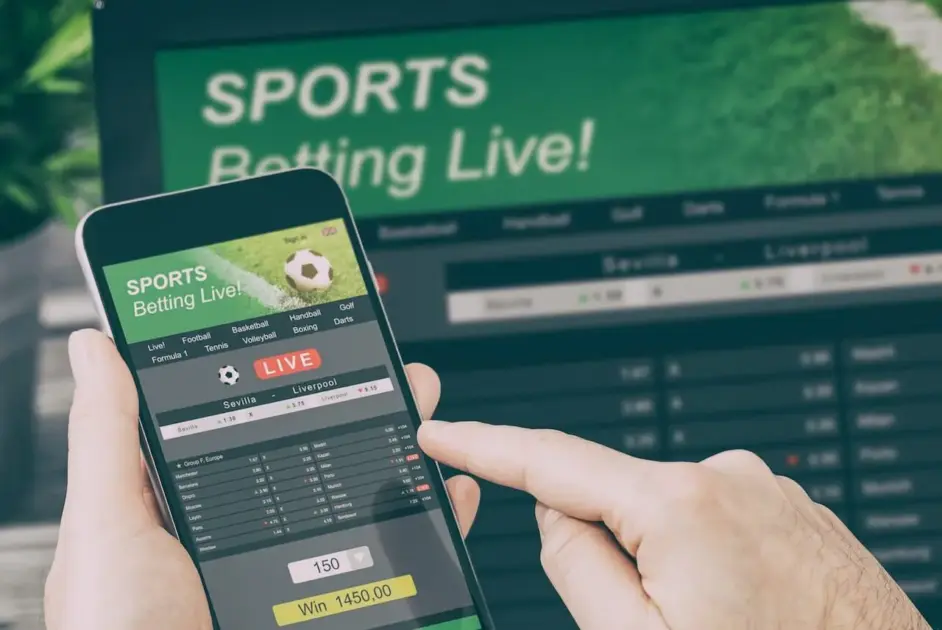
Sports consumption has been undergoing a significant transformation for more than a decade, but perhaps no single trend has reshaped fan engagement as profoundly as live betting, also known as in‑play betting. Unlike traditional pre‑match wagers, live betting allows fans to place bets on a wide variety of outcomes while a game or match is in progress. The emergence of mobile technology, real‑time data feeds, fast‑moving odds, and seamless digital platforms has turned what used to be passive spectating into a highly interactive experience.
Live betting is more than a niche offering. It has become an integral feature of many major sportsbooks and betting apps, attracting millions of users worldwide. For many fans, live betting changes how they watch sports as much as what they wager on. Instead of simply cheering for an outcome, fans now track live odds, inspect momentum shifts, and make rapid decisions based on in‑game events. This article explores why in‑play momentum matters, how live betting influences fan behavior and viewing practices, the technology enabling this shift, the implications for sports broadcasting, and the broader impacts on the sports ecosystem.
Live Betting Defined: What It Is and How It Works
Live betting, frequently called in‑play betting or in‑game betting, refers to wagering opportunities that open once a sporting event has started. These bets can cover a wide range of in‑game outcomes that shift rapidly with the flow of the match. For example:
- Will the next point in tennis be won by Player A or Player B?
- Who will score the next goal in a football match?
- Will the total runs in the next over of a cricket match exceed a set number?
Unlike pre‑match markets, live betting odds continually update based on real‑time data and betting patterns. Bookmakers use sophisticated algorithms and data feeds to adjust odds instantly as the action unfolds, reflecting current momentum, recent events (such as a goal or injury), and crowd sentiment.
For instance, live betting at Spinioli also provide micro‑markets, short‑term propositions tied to specific in‑game situations. These micro‑markets keep users engaged by providing fresh opportunities throughout the match.
Why Live Betting Is Transformative for Fans
1. Real‑Time Engagement with the Game
One of the biggest factors behind live betting’s popularity is its ability to make every minute of a match feel consequential. Fans who might otherwise tune out after a poor start stay engaged as they watch odds shift. A fan watching their team struggle may still find relevance in predicting the next scoring play or short‑term outcome.
This constant re‑evaluation of odds and positions changes the viewing experience. Instead of observing a game from a distance, fans participate in an ongoing dialogue with the action, and each play feels like part of a larger narrative.
2. Enhanced Emotional Investment
In the past, a losing game might have meant lost interest. With live betting, fans often remain invested because they have placed interactive wagers that keep them emotionally connected to unfolding events. A fan who has bet on the next point in a tennis match or the next corner in a football match remains tuned in at every turn.
Emotional engagement tends to be higher when fans have a stake in the moment, even if their team is not winning. This can deepen fan loyalty and prolong viewership durations.
3. Changing Spectator Behavior
Live betting influences when and how people watch sports. Rather than watching highlights or condensed replays, many fans prefer full live coverage to track momentum and make informed in‑play decisions. Watching live allows bettors to observe subtle shifts in performance, such as a team gaining possession dominance or a pitcher losing control, that can influence odds.
This new behavior affects shared viewing practices as well. Friends and social networks often discuss live events in real time, sharing reactions, odds changes, and betting insights through social media or messaging apps.
Technology Is the Engine Behind Live Betting
Two major technological trends have enabled the rise of live betting:
1. Mobile Connectivity
Smartphones and fast mobile data connections give fans the ability to place wagers from anywhere, whether at home, in a stadium, or on the commute. Live betting apps provide push notifications, live odds boards, in‑game statistics, and quick wager placement with the tap of a screen. This convenience has been crucial to the proliferation of live betting.
Mobile platforms also support in‑play streaming, allowing users to watch video feeds within the same app where they place bets. This seamless integration eliminates the need for multiple screens or services, making live betting more immersive and accessible.
2. Real‑Time Data and Analytics
Live betting depends on instant access to in‑game statistics and momentum indicators such as possession, scoring runs, and player performance metrics. Data providers use sensors, cameras, and tracking technology to collect and transmit this information in real time.
Algorithms process these data streams to update odds dynamically, accounting for game context and betting flows. This capability turns every event on the field into actionable data for bettors.
Impact on Sports Broadcasting
Live betting is reshaping sports broadcasting in several ways:
1. Integrated Odds Displays
Broadcasters increasingly incorporate live odds graphics into their coverage, showing real‑time changes alongside scorelines. This hybrid model blends traditional commentary with betting insights, catering to an audience that expects both entertainment and data.
2. Interactive Features
Some networks have experimented with interactive features that allow viewers to access live odds, player stats, or suggested wagers while watching broadcasts. These features blur the line between passive viewing and active participation.
3. Extended Engagement
Live betting encourages viewers to stay tuned longer. Even if the outcome seems decided, in‑play markets keep fans watching because short‑term propositions continue throughout the match. This extended attention is attractive to broadcasters and advertisers alike.
Economic Effects in the Betting and Sports Industries
Live betting generates substantial revenue for sportsbooks, leagues, and broadcasters. As fans engage more deeply and often place multiple in‑play wagers during a single event, total handle (the sum of all wagers placed) increases.
For sports leagues, betting partnerships have become commercial assets. Many major leagues collaborate with licensed operators to deliver odds data, integrate official betting assets into broadcasts, and share in revenue streams.
However, this commercial growth also comes with increased scrutiny from regulators and consumer advocates, who emphasize responsible gambling practices and transparency in advertising.
Responsible Gaming and Monitoring
With increased immersion and continuous betting opportunities, concerns about problem gambling have grown. Because live betting markets update rapidly and offer frequent decision points, there is a risk that some individuals could develop unhealthy betting behaviors.
To mitigate these risks, regulators and operators emphasize responsible gaming measures:
- Self‑exclusion tools that allow users to block access for defined periods
- Deposit limits to control spending
- Reality checks that remind users how long they have been playing
- Access to support resources and counseling for problem gambling
Responsible gaming messaging and tools are often integrated directly into live betting platforms to promote safe participation.
Social and Cultural Implications
Live betting is changing not just how sports are watched but also how fans talk about sports. Conversations have shifted from pure analysis of team tactics and historical rivalries to integrating statistical predictions, odds movements, and live pitching matchups or possession data.
Online forums, social media threads, and chat communities often discuss in‑play momentum—such as a key player substitution or scoring run—alongside betting positions. For many fans, predictive engagement adds a new layer of excitement.
But this trend also raises cultural questions about the commercialization of sports viewership and whether constant wagering alters the way fans emotionally connect with teams and players.
Examples Across Major Sports
Live betting has become popular across many sports, each with its own dynamics and in‑play markets:
Football (Soccer)
Markets include next goal scorer, next corner, match result at half‑time, and totals for yellow cards.
Tennis
Live betting on tennis focuses on next point winners, set winners, or the likelihood of break points based on momentum swings.
Basketball
Markets include the next field goal, quarter result, or scoring runs.
Cricket
In‑play markets may include runs in the next over, bowler performance, or total runs through staged intervals.
These micro‑markets add fresh interest to every moment of competition.
The Future of In‑Play Momentum
Live betting is expected to continue evolving as technology advances:
- Artificial intelligence (AI) may be used to provide personalized betting insights.
- Augmented reality (AR) could project real‑time odds into live broadcasts or smart glasses.
- Enhanced data analytics may refine in‑play predictive models, creating even more dynamic markets.
These innovations may further integrate betting into how fans experience sports, although they will likely be accompanied by increased emphasis on responsible gaming safeguards.
Conclusion
In‑play betting has transformed sports consumption by creating a more interactive and data‑driven viewing experience. Fans no longer watch sports passively; they engage with momentum, strategy, and shifting probabilities in real time. This evolution has implications for broadcasters, sports leagues, and the broader entertainment industry.
As technology continues to enhance data access and connectivity, live betting will likely remain a central part of modern sports culture. However, with increased access comes increased responsibility, and stakeholders must continue promoting safe and informed participation as part of the ongoing evolution of digital sports engagement.