






Introduction: The New Era of the Digital Sports Fan
The relationship between sports fans and entertainment has changed fundamentally. For generations, following a favorite team meant watching a live broadcast, checking the final score, and discussing the result afterward. Today, that experience has expanded into a continuous digital interaction that exists before, during, and long after every game.
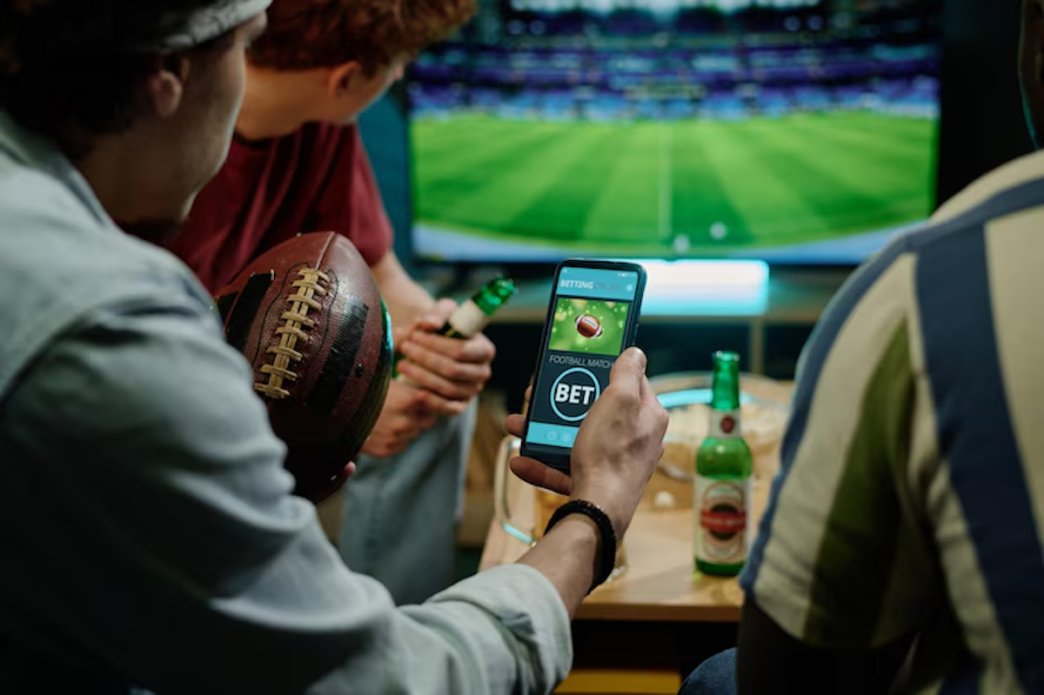
Modern fans are no longer passive viewers. They analyze statistics, participate in fantasy competitions, follow real-time updates, discuss games on social platforms, and interact with digital betting products while matches are still happening.
This transformation has created a new sports entertainment ecosystem where media companies, technology providers, and betting platforms compete for one valuable resource: fan attention.
The modern sports consumer expects more than access to a game. They want context, personalization, instant information, and interactive experiences that make every moment more engaging.
According to industry analysts, the global sports technology and digital fan engagement markets continue to expand as organizations invest heavily in mobile platforms, artificial intelligence, streaming services, and data-driven experiences. The goal is no longer simply broadcasting sports — it is creating an environment where fans remain connected throughout the entire sporting journey.
For sportsbooks and sports media platforms, this shift represents a major opportunity. The companies that successfully combine entertainment, analytics, and responsible gaming features will define the next generation of digital sports engagement.
Sportsbooks Are Becoming Digital Entertainment Platforms
One of the biggest changes in the sports industry is the evolution of sportsbooks from simple betting destinations into full entertainment platforms.
A decade ago, many betting platforms focused primarily on offering competitive odds and a wide selection of markets. Today, successful operators understand that long-term engagement depends on much more than transactions.
Modern sportsbooks increasingly include:
- live match statistics;
- expert previews;
- injury reports;
- betting education;
- video analysis;
- personalized recommendations;
- interactive game centers.
The strategy is similar to what streaming companies and social media platforms have already mastered: keeping users engaged by providing continuous value.
A fan who spends time reading analysis, exploring statistics, and following live updates is more likely to remain active throughout the entire sporting event.
This is why the boundaries between sports media and betting platforms continue to disappear.
Companies are no longer competing only to provide the best odds. They are competing to become the place where fans experience sports.
Major industry players have invested heavily in editorial content, partnerships, and technology because they recognize an important trend: information drives engagement.
The better a platform helps fans understand a game, the more valuable the overall experience becomes.
User preferences also vary significantly depending on the market, and Finnish players often search for specific types of casino promotions that match their expectations. For example, the term ilmaista pelirahaa ilman talletusta (free play money without deposit) is commonly used by Finnish users looking for platforms offering a clearly defined starting reward.
The Growth of Microbetting and Real-Time Engagement
Traditional sports betting has historically focused on pre-match decisions:
- Who will win?
- What will the final score be?
- Which team will cover the spread?
However, digital technology has accelerated the growth of in-game betting, creating a much more dynamic experience.
Microbetting allows users to interact with specific moments inside a game rather than only predicting the final outcome.
Examples include:
- the result of the next possession;
- whether the next drive ends in points;
- the next player to score;
- the outcome of the next tennis game;
- the next pitch result in baseball.
This format matches the way modern audiences consume digital entertainment.
Social media platforms, short-form videos, and interactive apps have trained users to expect immediate engagement. Microbetting applies the same principle to live sports.
Instead of waiting three hours to discover the result of a match, fans can participate in hundreds of smaller moments throughout the event.
From a technology perspective, this requires advanced systems capable of processing massive amounts of live information:
- player tracking data;
- game situations;
- historical performance;
- probability models;
- real-time statistics.
The faster and more accurate these systems become, the more personalized live experiences can become.
However, increased accessibility also makes responsible gambling tools more important. The same technology that improves engagement must also support safer gaming habits through features such as betting limits, activity monitoring, and user protection tools.
Artificial Intelligence Is Transforming Sports Experiences
Artificial intelligence has become one of the most influential technologies across sports media and betting.
Previously, fans relied on analysts and commentators to interpret games. Today, AI systems can process thousands of data points within seconds and generate insights that would have required entire teams of analysts in the past.
AI is now being used for:
- automated game summaries;
- predictive analytics;
- personalized content recommendations;
- player performance analysis;
- fraud detection;
- responsible gaming monitoring.
For sports fans, the biggest impact is personalization.
A traditional sports website presents the same information to millions of visitors.
An AI-powered platform can create a different experience for every user.
One fan may receive:
- Premier League tactical analysis;
- fantasy football recommendations;
- injury updates.
Another may receive:
- NBA statistics;
- betting trends;
- live game projections.
This transition from mass content to personalized experiences represents one of the biggest changes in digital sports entertainment.
The future fan experience will likely involve AI assistants that can answer questions instantly:
“Why did the odds change after that substitution?”
“How has this quarterback performed against similar defenses?”
“Which players are most likely to exceed expectations tonight?”
Instead of searching through information, fans will increasingly interact directly with intelligent systems.
Streaming Has Changed How Fans Consume Sports
The rise of streaming platforms has completely changed the relationship between sports broadcasters and audiences.
For decades, television networks controlled how and when fans consumed sports content. Viewers had to follow fixed schedules, watch traditional broadcasts, and rely on limited analysis during commercial breaks.
That model is rapidly disappearing.
Modern fans expect flexibility. They want to watch games:
- on smartphones;
- tablets;
- laptops;
- smart TVs;
- social platforms;
- dedicated sports applications.
Streaming services have made sports more accessible globally while creating new opportunities for leagues and media companies to reach audiences directly.
Platforms such as ESPN+, DAZN, Amazon Prime Video, and other digital providers have invested heavily in sports rights because live sports remain one of the strongest drivers of audience engagement.
The reason is simple: sports create real-time communities.
A television show can be watched days or weeks after release. A live match creates urgency. Fans want to experience important moments as they happen.
This creates opportunities for digital platforms to combine live games with additional features:
- real-time statistics;
- interactive commentary;
- fantasy updates;
- social discussions;
- betting information.
The future of sports streaming will likely move beyond simply watching a game. The winning platforms will create complete digital environments around every event.
Data Has Become the New Language of Sports
Modern sports fans are increasingly interested not only in results but also in the information behind those results.
Statistics have moved from professional locker rooms into everyday fan conversations.
Football supporters discuss expected goals (xG).
NFL fans analyze expected points added (EPA).
Baseball followers examine Statcast measurements.
Basketball communities debate advanced efficiency metrics.
This data-driven approach has also transformed sports betting.
Experienced bettors increasingly rely on analytical frameworks instead of emotional decisions. They examine:
- team trends;
- player availability;
- historical matchups;
- performance against similar opponents;
- schedule difficulty;
- advanced statistical indicators.
According to organizations such as the American Gaming Association, technology and data continue to play a growing role in how consumers interact with regulated sports betting markets.
For betting platforms, this creates a major opportunity.
Providing better information does not only improve the user experience—it helps create more informed participants.
A sportsbook that offers detailed analytics, educational resources, and transparent information becomes more valuable than a platform focused only on placing wagers.
In many ways, data has become the bridge connecting sports media and betting entertainment.
Responsible Gambling Becomes More Important in a Digital-First Industry
As sports entertainment becomes increasingly interactive, responsible gambling remains a central priority for the industry.
The same technologies that improve engagement can also help create safer user experiences.
Modern platforms increasingly use:
- deposit limits;
- spending controls;
- activity reminders;
- self-exclusion options;
- behavioral monitoring systems.
Artificial intelligence is also playing a larger role in identifying potentially harmful patterns and allowing operators to intervene earlier.
The goal of responsible gambling technology is not to reduce engagement. It is to make engagement healthier and more sustainable.
A successful digital sports ecosystem depends on trust.
Fans are more likely to remain loyal to platforms that prioritize transparency, security, and responsible participation.
This approach is especially important as younger audiences enter the sports entertainment market. New generations expect digital services to provide control, customization, and clear user protections.
The Rise of Community-Driven Sports Entertainment
Technology has not replaced traditional sports communities—it has expanded them.
The modern sports conversation happens everywhere:
- Reddit discussions;
- Discord communities;
- podcasts;
- YouTube channels;
- social media platforms;
- live chat rooms.
Fans no longer wait for official analysis after a game.
They create their own.
Independent creators have become an important part of the sports media ecosystem by providing:
- tactical explanations;
- betting analysis;
- player evaluations;
- instant reactions;
- historical comparisons.
This creator-driven model has changed audience expectations.
Fans increasingly prefer authentic voices that combine expertise with personality.
For sportsbooks and sports media companies, this means community engagement is becoming just as important as content production.
The strongest platforms will not only provide information—they will create spaces where fans can participate.
What the Future of Digital Sports Entertainment Looks Like
The next stage of sports engagement will likely be defined by deeper personalization and greater integration between technology and entertainment.
Several trends are expected to influence the industry:
AI-Powered Sports Assistants
Fans may soon rely on AI tools that provide personalized match previews, explain tactical decisions, summarize games, and answer complex sports questions instantly.
Wearable Technology Integration
Player tracking data from wearable devices could create new ways for fans to understand athletic performance, including real-time insights into speed, fatigue, and physical output.
Augmented Reality Experiences
AR technology could allow fans to view statistics, player information, and interactive graphics while watching live games.
Personalized Betting Experiences
Future platforms may increasingly adapt to individual preferences by highlighting relevant markets, providing educational information, and improving navigation.
More Interactive Viewing Models
The traditional distinction between watching, analyzing, and participating will continue to disappear.
Fans will increasingly expect one connected experience that combines:
- live sports;
- entertainment;
- community;
- statistics;
- personalization.
Final Thoughts
Digital entertainment has transformed sports from a scheduled activity into a continuous experience.
The modern fan does not simply watch games. They analyze them, discuss them, predict outcomes, follow creators, interact with communities, and explore new digital features throughout the entire sporting journey.
For sportsbooks, broadcasters, and technology companies, the challenge is no longer just delivering access to sports.
The challenge is creating meaningful engagement.
The future belongs to platforms that understand the modern fan mindset: people want information, interaction, personalization, and entertainment combined into one seamless experience.
As artificial intelligence, streaming technology, analytics, and responsible gaming solutions continue to evolve, the relationship between sports and digital entertainment will become even more connected.
The next generation of sports fandom will not be defined only by who wins the game.
It will be defined by how deeply fans can experience every moment around it.