


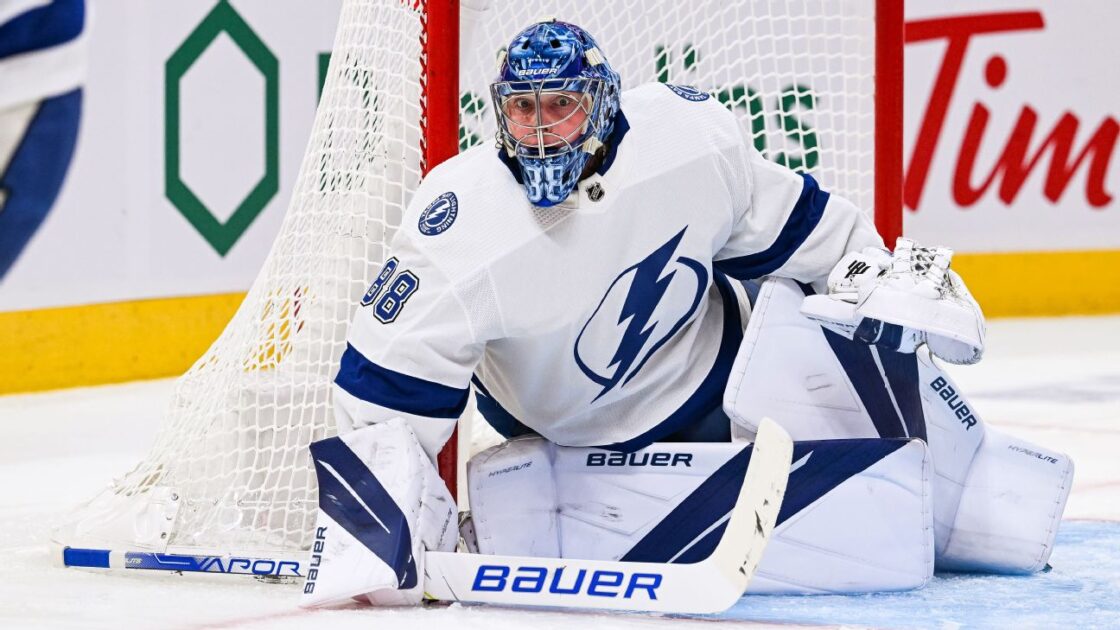
Some people seem naturally quick. They dodge passes, react instantly during games, and move before everyone else even realizes what happened. It can look like magic.
But here’s the truth: reaction time is trainable.
While genetics may influence baseline speed, the brain and body are surprisingly adaptable. Through consistent practice, most people can improve their reflexes, processing speed, and movement efficiency.
This detailed guide on can reaction time be improved explores techniques athletes and trainers use to sharpen reactions and improve overall performance.
Understanding Reaction Time
Reaction time measures how quickly you respond to a stimulus.
That process happens in several stages:
- You notice something
- Your brain processes it
- Your nervous system sends signals
- Your muscles react
Although this happens in milliseconds, every stage matters.
Think of it like dominoes falling. If one piece slows down, the entire chain reaction becomes slower.
Is Reaction Time Genetic?
Partly, yes.
Some individuals naturally process information faster or have better coordination. However, training has a massive impact.
Elite athletes don’t rely only on natural talent. Years of repetition train their brains to recognize patterns and react efficiently.
In many cases, experience matters just as much as genetics.
Scientific Evidence Shows Improvement Is Possible
Research consistently shows that reaction speed improves with practice.
Studies on athletes, gamers, and military personnel reveal that targeted drills can strengthen neural pathways and improve response times.
The brain adapts through repetition, a process known as neuroplasticity. The more specific movements and reactions are practiced, the more efficient those pathways become.
That’s why athletes often perform complex movements without consciously thinking about them.
Best Ways to Improve Reaction Time
Improve Your Focus
Distractions slow reaction speed.
Training concentration helps your brain process information faster. Meditation, breathing exercises, and focused drills can all improve attention.
Even reducing phone usage before training sessions can make a noticeable difference.
Use Reactive Training
Reactive drills force quick decisions under pressure.
Examples include:
- Light-based reaction systems
- Partner mirror drills
- Random movement exercises
- Visual cue sprints
These drills create unpredictable situations similar to real sports competition.
Strengthen Coordination
Good coordination reduces hesitation between thought and movement.
Exercises like juggling, ladder drills, and hand-eye coordination training help improve communication between the brain and muscles.
Build Explosive Strength
Fast reactions mean little without explosive movement.
Plyometric exercises such as:
- Jump squats
- Box jumps
- Skater hops
- Broad jumps
help improve rapid force production.
Sleep Plays a Bigger Role Than People Think
Sleep deprivation slows cognitive function dramatically.
Studies show tired individuals react similarly to people under the influence of alcohol. That’s how important recovery is.
During deep sleep, the brain strengthens neural connections and improves learning.
Skipping sleep is like trying to run software updates on a dying battery.
Age and Reaction Time
Reaction speed naturally peaks in early adulthood, but improvement is still possible at nearly any age.
Older adults can maintain strong reflexes through:
- Exercise
- Coordination drills
- Cognitive challenges
- Active lifestyles
In fact, staying physically and mentally active helps slow age-related decline.
Sports That Depend on Fast Reaction Time
Quick reactions are critical in:
- Soccer
- Hockey
- Baseball
- Tennis
- MMA
- Basketball
- Goalkeeping
- Motorsport
Even esports players spend hours training reflexes because milliseconds matter during competitive play.
Can Video Games Improve Reaction Time?
Interestingly, some studies suggest action video games may improve visual processing speed and reaction ability.
Fast-paced games force players to:
- Track movement
- Make rapid decisions
- Process multiple visual cues
However, physical movement training remains essential for athletic performance.
The Importance of Consistency
Improvement doesn’t happen overnight.
Training reaction time once a month won’t create major results. Consistency builds adaptation.
Even 10–15 minutes of focused reaction drills several times per week can produce measurable improvements over time.
Small gains stack up quietly, like drops filling a bucket.
Final Thoughts: Faster Reactions Are Trainable
So, can reaction time be improved? Absolutely.
While natural ability plays a role, training, recovery, coordination work, and focused practice all contribute to faster responses.
The body and brain adapt remarkably well when challenged consistently.