


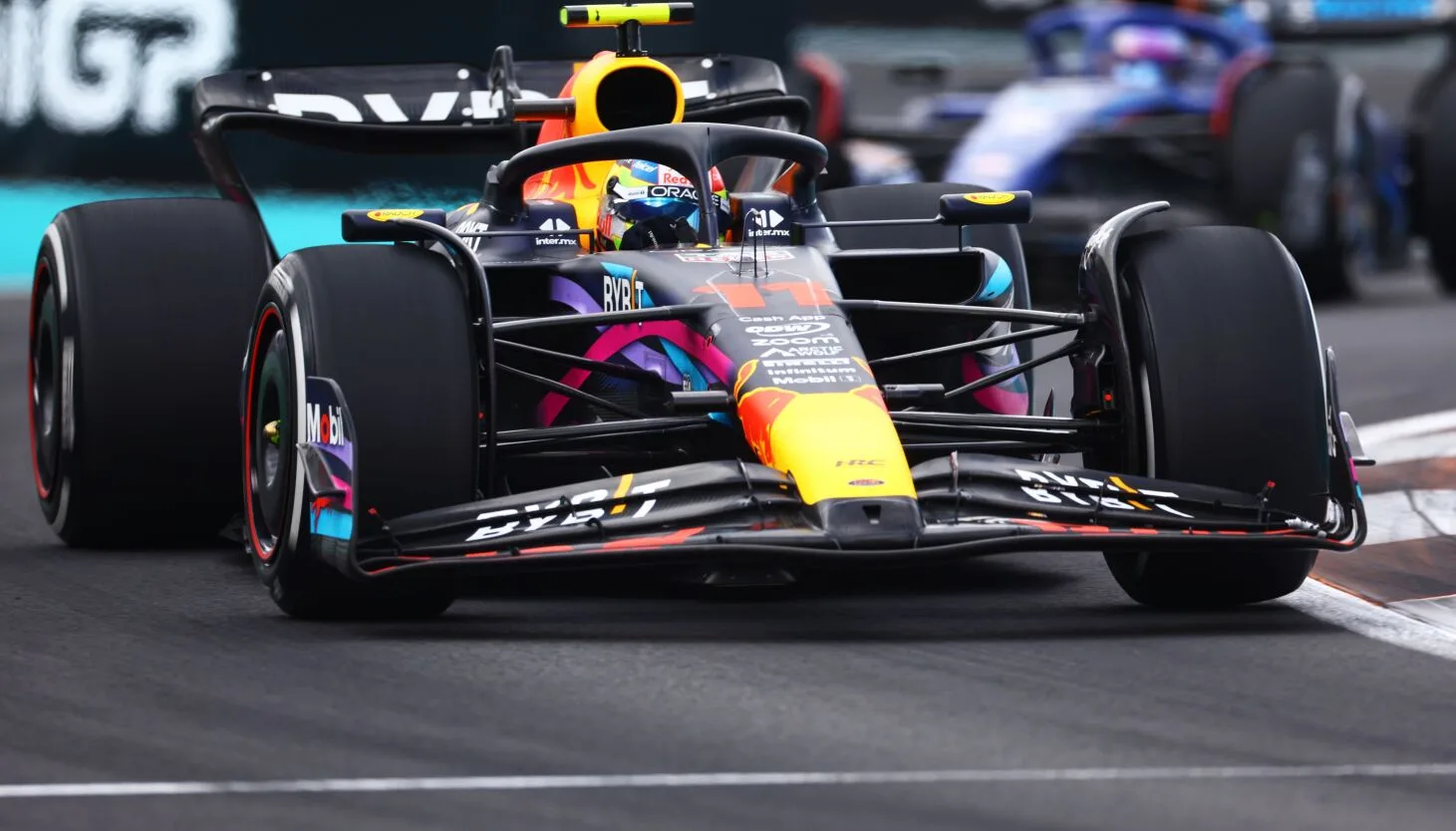
Max Verstappen could win races in a shopping cart at this point, right?
Well, stick him in a Williams, and suddenly those three consecutive championships look a lot less inevitable.
Meanwhile, drivers with genuine talent sit at the back of the grid weekend after weekend, watching slower drivers in faster cars spray champagne on the podium. It’s frustrating, unfair, and exactly how Formula 1 works in 2026.
The debate about whether technology or talent matters more has raged since the sport began, but modern F1 has pushed this question to the extreme. Let’s dig into what actually determines success on race day.
The Money Problem Nobody Wants to Talk About
F1 is expensive. Top teams spend hundreds of millions developing technology. Budget caps have helped, but wealthy teams still find advantages through facilities, personnel, and historical data that smaller teams can’t match.
In a sport where financial and technological edges compound like this, similar dynamics play out in competitive industries like iGaming. Massive online casino databases like Spinprofy, where users come to find and check legal gambling platforms with dozens of games and bonuses, exemplify how strong backing, visibility, and a polished infrastructure lead to lasting advantages, much like top F1 teams.
This creates a self-reinforcing cycle.
Better technology attracts better sponsors, which funds better technology, which attracts top drivers who want competitive cars. Talented drivers stuck in backmarker teams rarely get opportunities to prove themselves in championship-contending machinery.
The Brutal Truth About Modern F1 Cars
Today’s Formula 1 cars are rolling supercomputers wrapped in carbon fiber. The technology gap between teams isn’t just noticeable; it’s absolutely massive.
Red Bull’s dominance over the past few years proved this. Their car was so superior that Sergio Perez, despite struggling to match Verstappen’s pace, still finished ahead of drivers in midfield teams who were driving flawlessly.
That’s not a knock on Perez; it’s reality. The car matters that much.
What makes modern F1 cars technological marvels:
- Hybrid power units with over 1000 horsepower
- Advanced aerodynamics generating massive downforce
- Sophisticated energy recovery systems
- Real-time telemetry and strategy adjustments
- Tire management systems that optimize grip
- DRS and other performance-enhancing features
Mercedes’ engineering dominance from 2014 to 2020 created a similar situation. Lewis Hamilton is obviously talented, but those cars were untouchable.
Nico Rosberg won a championship in that same machinery, and while he’s skilled, few would rank him among the all-time greats.
The technology determines the ceiling. Talent determines how close you get to it.
When Driver Skill Shines Through
Here’s where it gets interesting: Put two drivers in identical cars, and talent absolutely matters.
Fernando Alonso consistently extracts performance from cars that have no business being where he puts them. (His 2012 season, nearly winning the championship in a Ferrari that wasn’t the fastest car, remains legendary.)
George Russell outperformed his Williams so dramatically that Mercedes couldn’t ignore him anymore. He dragged that car into Q2 regularly when it should’ve been eliminated in Q1. That’s pure talent overcoming technological limitations.
Moments where driver skill makes the difference:
- Wet weather racing where car advantages diminish
- Qualifying laps requiring perfect execution
- Wheel-to-wheel battles in equal machinery
- Tire management over race distances
- Split-second decisions during safety cars
- Adapting to changing track conditions
Charles Leclerc showed this brilliantly in Monaco and other street circuits where driver precision matters more than raw car speed. Threading an F1 car through narrow streets at absurd speeds requires talent that no amount of technology can replace.
Young Talent Stuck in Technological Prisons
Oscar Piastri is fast, but his results depend on whether McLaren gives him a competitive car. Same with Lando Norris, who showed championship potential when McLaren briefly had the fastest car but disappeared into midfield obscurity when the technology wasn’t there.
The most depressing part is that genuinely talented drivers never get chances because they can’t secure seats at top teams.
The path to F1 success requires wealthy backing for junior careers, securing seats through sponsorship rather than pure merit, and hoping to join a team during their competitive window.
Barriers facing talented young drivers:
- Junior racing costs millions before reaching F1
- Limited seats in competitive machinery
- Pay drivers taking spots due to sponsorship
- One bad season can end careers prematurely
- Politics and connections matter as much as speed
According to Formula 1’s reports, financial barriers prevent talented drivers from underrepresented backgrounds from even reaching junior formulas, let alone F1 itself.
So, What Matters More?
Technology is more for success, but talent determines legendary status.
You need a fast car to win championships in modern F1. Period. No amount of talent overcomes a two-second-per-lap performance deficit. But talent determines who maximizes that machinery and who gets exposed when cars are equal.
The sport needs both elements:
- Technology pushes innovation and creates the spectacle people pay to watch.
- Talent provides the human drama and unpredictability that make racing exciting rather than just engineering demonstrations.
Future regulation changes might shift this balance, but for now, if you want F1 success, you need the fastest car first and the talent to exploit it second. Everything else is nothing but noise.