







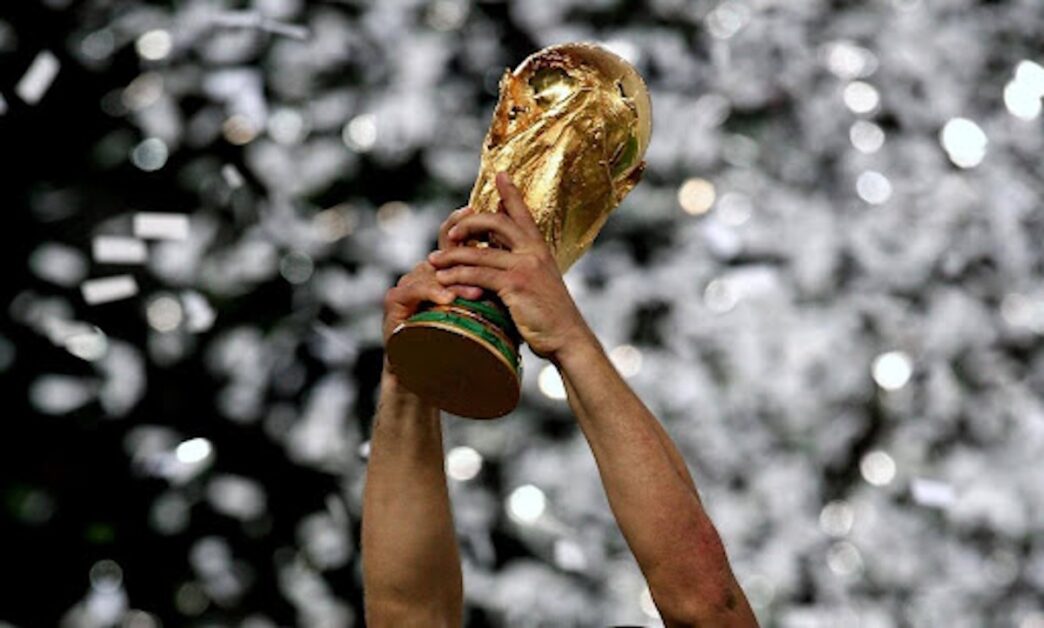
Scotland have qualified for the 2026 World Cup after missing seven consecutive tournaments, ending an absence from the competition that stretches back to France ’98. For a nation with eight previous World Cup appearances and a passionate footballing culture, the return is significant.
The tournament will see many fans head to LiveScore Bet to bet on the 2026 World Cup, and with interest already building ahead of this summer’s expanded 48-team tournament, let’s take a look at what qualification means for Scottish football, what their World Cup history tells us, and how far Steve Clarke’s squad can realistically go.
Their World Cup history
Scotland have appeared at the World Cup eight times previously, including five consecutive tournaments from 1974 to 1990, and have never advanced beyond the first round. That record comes with a painful caveat. They are the only team to have been eliminated on goal difference three times in a row, missing out in 1974, 1978, and 1982.
The 1978 campaign in Argentina captures the Scottish World Cup experience better than any other. Ally MacLeod’s squad arrived as contenders in the eyes of their own supporters, lost to Peru, drew with Iran, and then produced one of the great individual World Cup moments when Archie Gemmill weaved through three Dutch defenders to score an iconic goal. But it wasn’t enough, and Scotland went home, failing to make it out of the group stage.
The cycle of promise and frustration continued through Mexico in 1986, Italy in 1990, and then France in 1998, where a Tom Boyd own goal against Brazil in the opening match set the tone for another early exit.
What qualifying meant for Scottish football
Clarke has now led Scotland to three major tournaments, two European Championships and a World Cup, making him the most prolific manager in the national team’s history in terms of qualification. That achievement tends to get lost in the noise around squad depth and expectations, but it shouldn’t. Scotland had missed the previous seven World Cups before this campaign. Getting there at all, and doing it as group winners, is a significant shift.
The qualification was sealed on the final night of group fixtures with a remarkable comeback victory, capped by Kieran Tierney’s strike from distance and Kenny McLean scoring from just inside the Denmark half in added time. It was the kind of night that reminds a football country what it’s actually playing for.
The realistic ceiling for Clarke’s squad
The squad heading to North America is built on a strong midfield spine. Scott McTominay, who scored the opening overhead kick against Denmark, will be central to Scotland’s ambitions, with John McGinn another key figure as Clarke looks to get past the group stage for the first time in the country’s history.
McTominay carries 68 caps and 14 international goals into the tournament, offering both defensive discipline and the capacity to produce moments that change matches. Around him are the likes of Billy Gilmour, who provides technical composure at the base of midfield, and Lewis Ferguson, who brings energy and experience from his role as captain at Bologna.
The question marks sit in attack. Che Adams and Lyndon Dykes offer different profiles up front, but neither is likely to be mistaken for a match-winner against elite opposition. Scotland’s best chance of progressing lies in staying compact, winning their duels in midfield, and finding moments through their better individual players.
Getting out of the group for the first time in nine attempts would be a milestone. That, realistically, is the ceiling. But after 28 years away, even reaching it would mean everything.