




Last Updated on August 12, 2025 8:30 am by admin
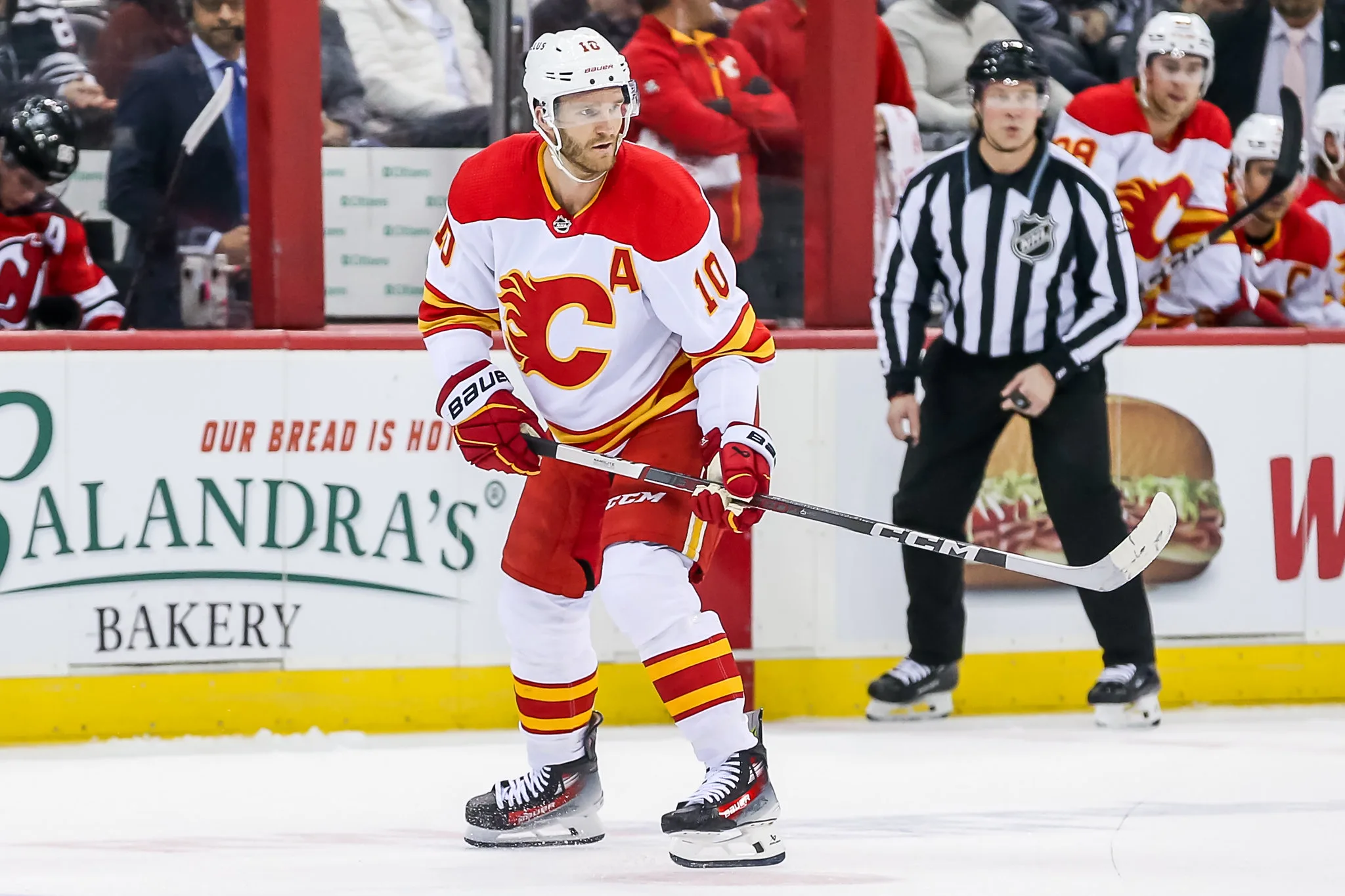
Sometimes, all it takes is a single bad loss for things to fall apart. Back in 2020/21, no one could say the Calgary Flames were a bad team.
On the contrary, they were having a great season, filled with special moments and wins that made them genuine contenders for the Stanley Cup. At one point, they finished a four-game road trip with three wins, which would be impressive even for the best teams. But then the Edmonton Oilers came along in the second round of the playoffs, and the wheels of the Flames’ wagon fell off.
How Did the Calgary Flames End Up in a “Directionless” Rebuild?
The game itself wasn’t too embarrassing. For large parts of it, the Flames played well, but the Oilers ended up being too strong, clinching the game with a 5-4 overtime victory.
What turned out to be the clincher was the gut punch. Losing a tight, high-stakes game in overtime is difficult for even the best teams in the world – only the best teams in the world know how to deal with it. When it came to the Calgary Flames, their confidence was shaken, and the psychological hangover was massive.
As a result, the Flames wound up parting ways with manager Brad Treliving a season later, replacing him with Craig Conroy. In Conroy’s own words, it was time for the Flames to build toward the future, and for fans and pundits alike, this seemed like a good idea. So why have things gone so wrong?
Why a Lack of Clear Vision Can Hurt a Franchise’s Long-Term Prospects
First things first, if a team wants to rebuild, they need to rebuild. That means dismantling the squad from top to bottom and essentially starting from scratch. What Flames have tried to do, however, is simply renovate the existing team.
They’ve signed the backup goalie Ivan Prosvetov, and that was a step forward, but many of the veterans that could have been moved out have stayed put, including Blake Coleman and MacKenzie Weegar – both of whom still have sizable contracts and play significant roles, which limits the Flames’ flexibility to fully commit to a rebuild.
Perhaps there’s fear at play here from management. Many of the top NHL teams have become genuine Stanley Cup contenders after bottoming out for a year or two, steadily bringing in elite talent through the draft and developing a strong core. It’s a hard tactic, and it’s tough on the fans, but doing something like this ultimately builds a sustainable foundation for long-term success.
The Flames haven’t been keen on doing this, instead looking to hold their spot as NHL middle-of-the-pack competitors rather than risking the short-term pain necessary to become true contenders.
What This Means for Calgary’s Sports and Entertainment Economy
In the last NHL season, the Flames narrowly missed the playoffs, and the worst thing was that the management seemed happy enough to be in the mix until the end. This is a growing concern for fans, as it’s becoming a common theme. Indeed, this is the same type of pattern we’ve seen from the Flames year after year.
Even in their ‘good’ years, it has always felt like there’s no concrete plan. Sometimes they make the playoffs, sometimes they don’t. Where’s the vision? Where’s the commitment to push past mediocrity and build a team that can truly compete? The fans want more than just a team that scrapes by – they want a franchise with ambition, clear direction, and the willingness to make the tough choices necessary to reach the next level.
If that doesn’t happen, there are going to be ramifications, both for Calgary’s sports and entertainment economy. Let’s look at the Edmonton Oilers again. For fans travelling to Alberta for a potential playoff rematch, will any of them be logging on to an Alberta online casino and making their bets in the Flames’ favour? It’s unlikely. Over the last few years, the odds have consistently favoured the Oilers, reflecting the reality on the ice and in the betting markets themselves.
When a team struggles to present a clear path forward, it impacts more than just ticket sales and fan morale – it affects the franchise’s reputation and financial prospects. The Flames aren’t expected to do well. Not this season. Not in the next one. And as a result, sponsorships, merchandise sales, and online engagement will all suffer – potentially even leading to the end of the club as we know it.
From the Saddledome to the Screen: Entertainment Alternatives for Fans
Over the last few decades, some excellent NHL clubs have fallen away into obscurity, and this is largely due to a failure to adapt and maintain a clear vision during critical rebuilding phases. Without decisive leadership and a willingness to make bold changes – changes that the manager himself promised to make – even storied franchises can lose their competitive edge and, eventually, their fanbase.
Even now, the fanbase is declining. According to recent reports, attendance at the Saddledome is slipping, and engagement on digital platforms is waning as fans search for other forms of entertainment. In a world filled with countless options – streaming services, esports, and alternative sports leagues – teams can no longer rely solely on their history or regional loyalty to keep supporters invested.
Could a Bold Strategic Shift Save the Flames Before It’s Too Late?
For the Flames, the risk is real: continuing down a directionless path of uncertainty and half-measures could see them fade from contention and, eventually, from relevance. The NHL is fiercely competitive, after all. It takes more than just talent on the ice; it requires vision, commitment, and a bold strategic shift.
The time to act is now. If the Flames are to truly meet their potential and become genuine contenders, a full rebuild – or at least a decisive push – is needed. Whether that will happen or not remains to be seen. But there’s no doubt that a bold strategic shift now would save the Flames before it’s too late.