




Last Updated on May 19, 2025 6:56 am by admin
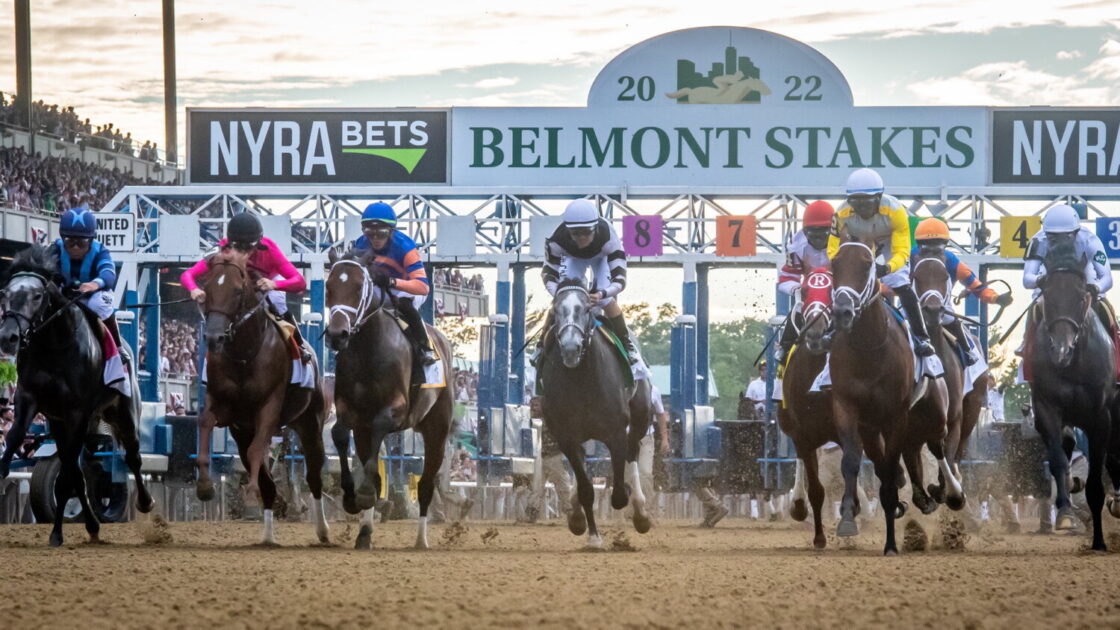
The Belmont Stakes, traditionally the longest and final leg of American Thoroughbred racing’s Triple Crown, is known for its grueling 1½-mile distance—a true test of stamina that often exposes the limits of even the most talented horses.
However, the 2025 edition introduces a significant change. Scheduled for Saturday, June 7, the race will be held at Saratoga Race Course in Saratoga Springs, New York, instead of its usual home at Belmont Park, which remains under renovation.
Due to Saratoga’s configuration, the race distance will be shortened to 1¼ miles. This alteration adds another layer of complexity for trainers, jockeys, and bettors alike, as the shorter distance and unfamiliar setting could reshape the dynamics of this year’s “Test of Champions.
The Challenge of the Track
The move to Saratoga Race Course introduces uncertainty. While Saratoga is a historic and respected venue, the specific characteristics of its dirt surface compared to Belmont Park’s can influence how horses perform over the 1¼ mile distance. Understanding how contenders have performed over various dirt surfaces in their careers could offer clues, though success at Saratoga at this exact distance is a rare data point for three-year-olds.
Baeza: A Derby Performance Suggesting Potential
Baeza, who finished third in the 2025 Kentucky Derby, is one contender explicitly targeting the Belmont Stakes after opting to skip the Preakness. Trainer John Shirreffs noted Baeza’s performance in the Derby was commendable, especially considering factors like running on a wet surface for the first time and enduring bumping in the large field.
Despite these challenges, Baeza achieved a solid third-place finish, earning his third consecutive triple-digit Equibase speed figure (101). He started the Derby at 13-1 odds but eventually outran them.
As attention shifts toward Saratoga, Belmont betting odds 2025 are beginning to reflect increased confidence in Baeza’s chances, especially given his demonstrated ability to handle adversity and post consistent figures.
Connections’ Confidence
Following the Derby, Baeza’s connections expressed pride in his strong finish. The decision to skip the Preakness allowed Baeza more recovery time, providing over a month between the Derby (May 3) and the Belmont (June 7) to prepare specifically for the 1 ½ mile distance. Trainer Shirreffs highlighted the “quite a trip” Baeza endured in the Derby week and race itself, suggesting the colt performed well despite challenges.
Sandman: Pedigree and Dirt Experience
Sandman, who finished seventh in the Kentucky Derby, is also likely headed to the Belmont Stakes, according to trainer Mark Casse. Like Baeza, Sandman’s team decided to bypass the Preakness, giving him ample time to prepare for the longer race.
Sandman finished 12 ½ lengths behind the winner in the Derby, where he was the second overall betting choice. Despite this result, his pedigree suggests the potential for his stamina to make an impact at 1 ½ miles.
Tapit’s Enduring Legacy
Sandman is sired by Tapit, a stallion renowned for producing winners of the Belmont Stakes. Tapit’s progeny who have won the “Test of Champions” include Tonalist (2014), Creator (2016), Tapwrit (2017), and Essential Quality (2021).
This consistent success at the Belmont distance provides a strong indicator that Sandman may possess the genetic predisposition for the required stamina. Sandman has experience winning on dirt, a factor that could be relevant, particularly with the race at Saratoga.
Strategic Decisions: Skipping the Preakness
The decision by the connections of both Baeza and Sandman to bypass the Preakness Stakes is a strategic move aimed directly at Belmont’s demanding distance. The traditional two-week turnaround between the Kentucky Derby and the Preakness can be taxing, particularly for horses that ran hard in the Derby.
By skipping the second leg, these colts gain an extended rest period, totaling over a month, which allows for focused training tailored to building the stamina required for 1 ½ miles.
This approach prioritizes preparation for the unique challenge of the Belmont over pursuing the Triple Crown itself.
The status of Journalism, winner of the Preakness Stakes and runner-up in the Kentucky Derby, remains unconfirmed for the Belmont—a variable that could significantly influence the betting landscape if he joins Sovereignty on the Saratoga stage.
Sovereignty: Rested, Proven, and Ready
With Sovereignty officially confirmed for the 2025 Belmont Stakes, the race welcomes a standout contender with a compelling resume. The Into Mischief colt captured the Grade 1 Kentucky Derby on May 3 with a decisive late charge, marking his third win in six starts and firmly establishing his class. Trained by Bill Mott and ridden by Junior Alvarado, Sovereignty skipped the Preakness to target the Belmont, prioritizing rest and tailored preparation for Saratoga’s 1¼-mile distance.
Sovereignty enters the race with a five-week recovery window—a strategic advantage in a Triple Crown series known for its grueling schedule. While Journalism, the Preakness winner and Derby runner-up, remains unconfirmed for the Belmont, anticipation is high for a potential rematch between the two.
Whether Journalism runs or not, Sovereignty’s Derby credentials and fresh condition position him as one of the most formidable threats in the 2025 field.
Assessing Stamina for Saratoga
The 2025 Belmont Stakes at Saratoga Race Course presents a compelling test of stamina over 1¼ miles. While a full field of contenders will emerge closer to race day, Baeza and Sandman are two prominent colts from the Kentucky Derby who are confirmed or likely targets for the race.
Baeza demonstrated resilience and a solid speed figure in the Derby, while Sandman brings a pedigree strongly associated with Belmont success through his sire, Tapit. Their connections’ decision to skip the Preakness highlights the importance placed on preparing specifically for the Belmont’s distance.
Ultimately, evaluating who truly has the stamina for the 1 ½ mile “Test of Champions” will involve scrutinizing pedigree, prior performances suggesting endurance, and how each horse adapts to the unique demands of the distance and the Saratoga surface.