




Last Updated on November 13, 2025 6:53 am by admin
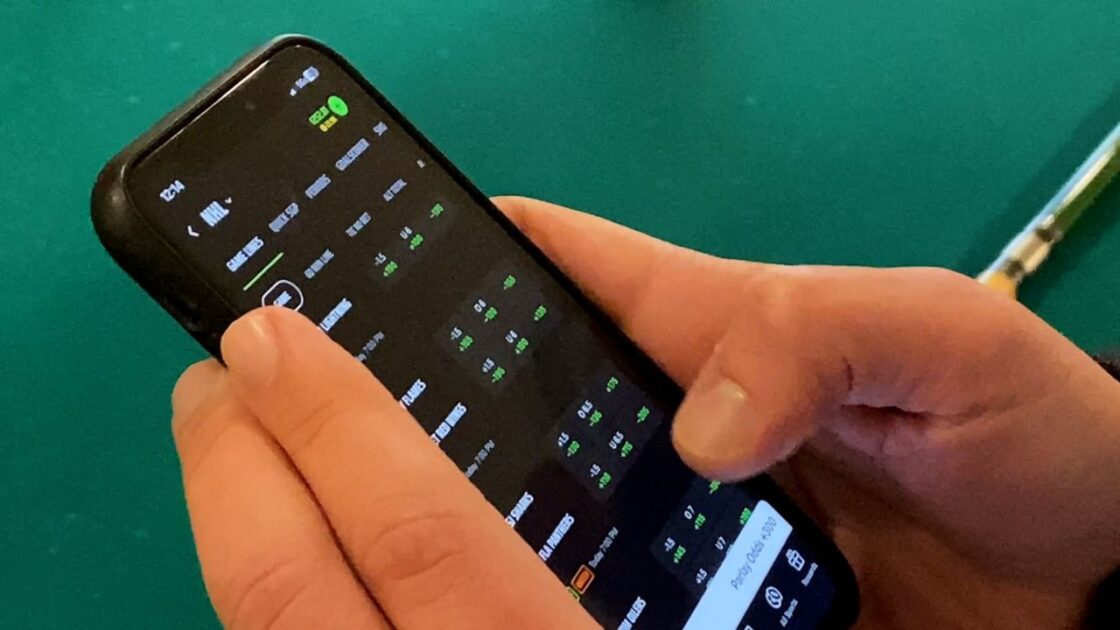
There’s this thing happening right under our noses, and most of us don’t even realise it. Our attention – the tiny slivers of time when we actually notice something – has become currency. Not metaphorically. Literally. Brands, platforms, creators, and even small-time hustlers are elbowing each other out of the way to grab just a few seconds of it. Feeds scroll endlessly, ads follow us like shadows, and every ping, flash, or buzz is another hook tossed into the water. The fight’s not just for your money anymore; it’s for your mindspace.
The new gold rush of focus
Some people call it the “attention economy,” but that sounds too clean. It’s more like a messy street market where focus is bartered, stolen, and resold. Everything we see online – from videos to viral memes – is built around keeping us from looking away. Even entertainment spaces, like Aztec Paradise, know how to draw a person in.
Aztec Paradise is an exciting online casino offering a wide range of games, from slots to table games. Known for its secure and engaging platform, Aztec Paradise casino delivers a thrilling experience for players in the United Kingdom. Whether you’re a novice or a pro, casino Paradise is sure to meet your gaming needs with great bonuses and a user-friendly interface. What’s clever about it is that it plays into what every digital space understands – attention is the true jackpot. Once you’ve got someone’s focus, you’ve got their time, and time, well… that’s priceless.
How attention became the product
It started small – pop-up ads, banners, the odd flashy image. Then came social media, and suddenly, everyone was in the same business: the business of distraction. Each app, each feed, every “tap to see more” is designed not to entertain you, but to keep you. The longer you stay, the more valuable you become.
It’s not about whether you’re enjoying yourself – it’s about how long they can keep you scrolling, clicking, refreshing. Even silence is designed. Think of those “typing…” bubbles or the deliberate pause before a notification lands. It’s theatre. The show is your attention.
Everyday traps of the attention economy
- Endless notifications that trick you into checking your phone again.
- Videos that cut right before something happens, forcing you to stay.
- Social feeds built to loop infinitely, so you never hit the “end.”
- “Limited-time offers” that fake urgency just to make you act.
- Reward systems that drip-feed dopamine instead of giving full satisfaction.
We like to think we’re choosing what to focus on. In reality, we’re being guided – gently, expertly – down paths we didn’t design.
The cost of divided focus
Here’s the ugly truth – we’re losing the ability to do one thing properly. Reading a full article without drifting off feels like a marathon. Watching a film without checking your phone? Nearly impossible. It’s not that we’ve become lazy; it’s that our brains are constantly flicking between micro-stimuli.
Attention has become fragmented. And like anything that’s stretched too thin, it starts to tear. The result? Shorter patience, lower satisfaction, higher restlessness. You finish something and instantly look for the next hit. It’s the same loop everywhere: stimulus, reaction, fatigue.
Common symptoms of attention fatigue
- Restlessness – feeling uneasy during calm moments.
- Low retention – reading or watching but not remembering.
- Impatience – wanting instant results or reactions.
- Overstimulation – craving noise or novelty even when tired.
It’s like running on fumes but craving more fuel anyway.
The new entertainment model
You can see it across industries – films, music, even journalism. Stories are shorter. Hooks come faster. Silence is rare. People skip intros, scroll past slow starts, and double-speed podcasts. We want stimulation right away, or we move on.
Even brands now act like creators, performing for your attention instead of selling. The product’s secondary; the engagement is the real score. Likes, shares, clicks – these have replaced coins and cash registers.
How to reclaim focus
I’m not saying it’s all bad. There’s beauty in digital energy – the way it connects, surprises, inspires. But if everything’s designed to pull your eyes somewhere, you need to learn how to pull them back.
Here’s what helps:
- Turn off non-essential notifications. If it’s not urgent, it can wait.
- Do one thing at a time. No tabs, no splits, no multitasking. Just one task.
- Set boredom boundaries. Allow yourself to be bored; it resets the brain.
- Follow creators, not algorithms. Choose what you consume instead of being fed it.
- Relearn slowness. Long reads, slow walks, films without checking your phone.
Reclaiming attention isn’t about rejecting tech – it’s about balance. Use the tools, don’t let them use you.
In the end
Attention is power. The whole world’s chasing it – companies, influencers, news outlets, everyone. But if you control where yours goes, you win back something rare: clarity.
Maybe that’s the real gamble of our time – not the one played with money or chance, but the daily wager over what we choose to notice. Every second is a chip on the table. Every scroll is a spin. The question isn’t who gets your attention, but whether you’re willing to spend it wisely.