


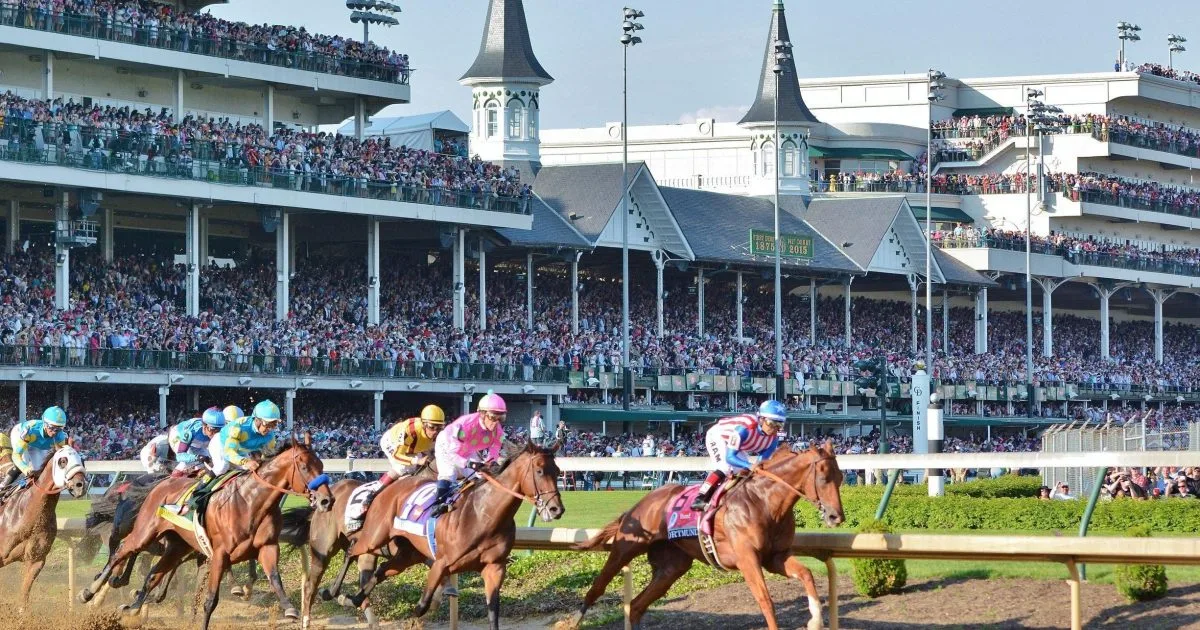
Royal Ascot is one of the most important weeks in British horse racing. It brings together top horses, leading trainers, international runners and large crowds across five days of Flat racing. In 2026, the meeting takes place from Tuesday 16 June to Saturday 20 June, giving the summer season one of its clearest focal points.
For many casual fans, Royal Ascot is also the point in the year when horse racing becomes easier to follow. The races are high quality, the stories are clear, and the schedule is packed without being hard to understand. Some people will watch for the sport, some for the social side, and others will check betting sites before the major races, but the event itself is much broader than betting.
At its best, Royal Ascot shows what Flat racing does well. It mixes speed, stamina, tactics and timing. A five-furlong sprint can be over in less than a minute. The Gold Cup tests stayers over a much longer trip. Two-year-old races can reveal future stars, while the big Group 1 contests often settle arguments between proven horses.
Why Royal Ascot Matters
Royal Ascot is not just another racing festival. It sits near the centre of the Flat season. Horses that ran in the spring Classics may appear again. Sprinters from Britain, Ireland, Europe, Australia and beyond can meet on the same track. Trainers use the week to test their best runners against stronger fields.
The meeting also has a rhythm that makes it easy to follow. Each day has a feature race, supported by a mix of Group contests, handicaps and races for younger horses. This means there is usually something for every type of racing fan.
Opening day often sets the tone. The Queen Anne Stakes, King Charles III Stakes and St James’s Palace Stakes are all scheduled for Tuesday 16 June in 2026, giving the first afternoon a strong Group 1 shape.
The Big Race: The Gold Cup
For many racing fans, Thursday is the heart of Royal Ascot. The Gold Cup is the race most closely linked with the meeting’s history. It is a proper test of stamina, balance and patience. Horses need to settle, travel, stay and still have enough left late on.
In 2026, the Gold Cup is scheduled for Thursday 18 June. It is one of the races that can attract both dedicated racing followers and more casual viewers because the challenge is so clear. This is not only about raw speed. It is about which horse can keep going when others begin to weaken.
Staying races can be misunderstood by newer fans. They are slower than sprints, but that does not make them less tense. The race often builds in stages. A jockey may hold a horse together for most of the trip, then ask for effort in the final straight. The best stayers look controlled until the hardest part begins.
The Sprint Stories
Royal Ascot is also one of the best places to watch top-class sprinters. These races are sharp, direct and unforgiving. A slow start, a blocked run or a poor track position can decide the result.
The 2026 meeting already has an international angle, with Australian sprinters including Joliestar and Lady Of Camelot among entries for the major Royal Ascot sprint races. That matters because Australian sprinters have a strong reputation at this meeting. When they travel well, they can bring a different type of pace to the race.
Sprint races are useful for newer fans because they are easy to read. The horses break, find position and race hard to the line. There is less time for a race to change shape, but that makes every small detail more important.
Three-Year-Olds and Future Stars
Royal Ascot is also a place to spot horses who may shape the rest of the season. Three-year-olds can move from Classic form into new targets. Some may be dropping in trip. Others may be stepping up. The St James’s Palace Stakes, Coronation Stakes and Commonwealth Cup are especially important in this part of the programme.
The Coronation Stakes is scheduled for Friday 19 June, while the Commonwealth Cup is also on the Friday card. Both races can tell us a lot about the strength of the younger generation.
The two-year-old races are different. These horses are still learning. Some will look raw in the paddock. Some will improve sharply after the race. The result matters, but so does the way a horse behaves before, during and after the contest.
Handicaps Still Have Their Place
Royal Ascot is known for elite Group races, but the handicaps are a big part of the week. They are often large-field, competitive races where many horses have a chance. These contests can be hard to solve, but they add depth to the meeting.
A handicap gives less obvious horses a chance to have their day on a major stage. The Royal Hunt Cup, Britannia Stakes and Wokingham are good examples. They bring together big fields, strong pace and plenty of tactical decisions.
For viewers, handicaps can be exciting because the race often develops across the full width of the track. Horses may split into groups. One side may have an advantage. The draw, pace and ground can all matter.
What to Watch Before the Meeting
In the weeks before Royal Ascot, the most important things to follow are entries, ground conditions and trainer plans. A horse can be aimed at one race, then move to another if the ground changes or another runner appears stronger.
The going is especially important. Fast ground can suit some horses and rule out others. Softer ground can change the whole shape of a race. Trainers will often wait before making final decisions.
It is also worth watching horses coming from recent trials. A prep run can show fitness, but it can also hide improvement. Some trainers use a trial to sharpen a horse without asking for everything.
A Week Built on Variety
The strength of Royal Ascot is variety. It is not five days of the same race type. There are sprints, staying races, juvenile races, mile races, middle-distance contests and major handicaps. That makes the week feel complete.
The final day on Saturday 20 June includes the Queen Elizabeth II Jubilee Stakes and the Wokingham Stakes, giving the meeting a strong sprint finish. By then, the main stories of the week are usually clear: which trainer has dominated, which young horse has announced itself, and which older runner has confirmed its class.
Royal Ascot 2026 should offer the same mix that keeps the meeting relevant every year. It is formal, but not closed off. It is elite, but still easy enough for casual viewers to enjoy. Above all, it gives horse racing a clear summer stage where the best horses have to prove it on the track.