






Traditional learning often asks for patience first and rewards later. Games flip that script. They reward attention quickly, punish sloppy decisions instantly, and keep the next challenge within reach. That design matters because the brain loves clear feedback. In 2026, many people learn faster through game-like loops than through long lectures, not because books are useless, but because games make practice feel natural. They also make difficulty adjustable. If a level is too hard, the player tries again with a better plan. If it’s too easy, the game raises the stakes. That is exactly how skill-building works in the real world, even when real life doesn’t package it so neatly.
Feedback beats explanation when the goal is skill
A good game teaches without talking too much. It shows a pattern, lets the player test it, and then confirms whether the choice worked. That’s how reflexes sharpen in shooters, how planning improves in strategy games, and how teamwork becomes automatic in squad titles. The brain learns best when it can link action to outcome quickly, and games are built for that link.
Games train attention the way gyms train muscles
Attention is not a personality trait; it’s a capacity that can be practiced. Many games demand sustained focus, then sudden bursts of reaction. Players learn to scan the screen, prioritize the right signals, and ignore the noise. Over time, that turns into a useful habit in everyday life: faster reading of situations, calmer decision-making, and fewer mistakes made on autopilot.
Social play is a fast track for learning soft skills
Team games teach communication under pressure. A player has to give clear instructions, accept feedback, and recover from mistakes without collapsing the group mood. That is basically workplace training, just with louder emotions and a scoreboard. Even casual co-op builds coordination: who does what, who covers which task, and how to adapt when the plan breaks.
A practical bridge from game skills to betting skills
Casino math feels less mysterious when the “loop” is familiar
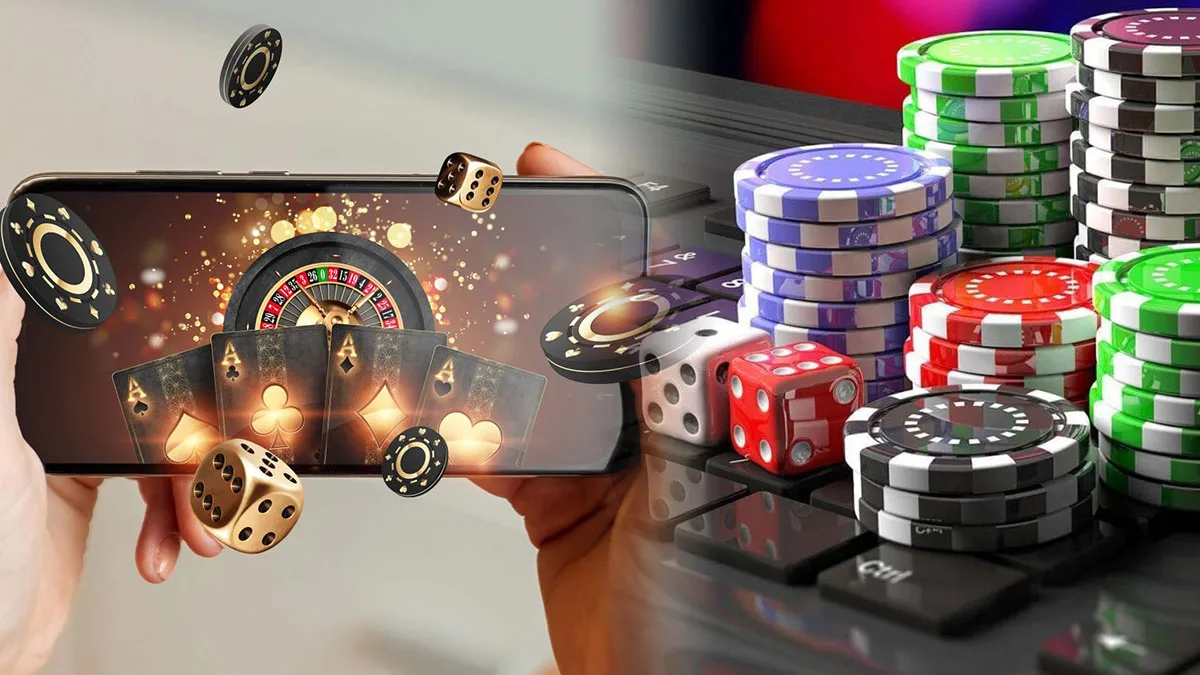
Casino games work because they compress choice, chance, and reward into a tight cycle. A well-built online casino lobby supports that learning loop by offering a huge range of slots and naming major providers like Big Time Gaming, Microgaming, RealTime Gaming, Betsoft, and Wazdan. The page also breaks down the first-time pathway–register, fund the account, choose a title, start playing–so the process stays predictable. It highlights 24/7 support and strong device compatibility, which keeps sessions smooth when players switch devices. The welcome package is described as staged bonuses across the first five deposits with free spins, and it spells out concrete terms like a 40x wagering requirement and a seven-day activation window.
What schools and workplaces can steal from games
The best learning systems in 2026 borrow three things from games: clear goals, frequent feedback, and visible progress. A course that shows “what success looks like” each week feels more doable than a course that only judges at the end. Short quizzes, practice tasks, and level-like milestones make the brain want to continue. Games didn’t replace education. They quietly taught education how to compete for attention.
The evolution of games has fundamentally shifted our understanding of how the brain acquires skill. We are moving past the old model of passive information intake and embracing an active, feedback-driven loop. The true takeaway from the 2026 gaming landscape is not just better entertainment, but a universally powerful methodology for skill-building. Whether applied to strategy in the workplace, attention in the classroom, or calculated decision-making in financial contexts like mobile betting, the core ingredients remain the same: clear goals, immediate feedback, and visible progress.
This “gamified” approach transforms daunting, long-term objectives into manageable, engaging challenges. The convenience of a mobile platform, for instance, supports this by enabling disciplined “micro-learning” in short bursts, proving that highly focused training can happen anytime, anywhere. By borrowing the design brilliance of games—making practice intuitive and rewarding—education and professional development finally compete for the modern person’s attention on its own terms. Games haven’t replaced traditional learning; they have simply provided the blueprint for making all learning smart, fast, and powerfully sticky. The real game changer in 2026 is recognizing that a motivated mind is an educated mind, and motivation is a function of well-designed feedback.