






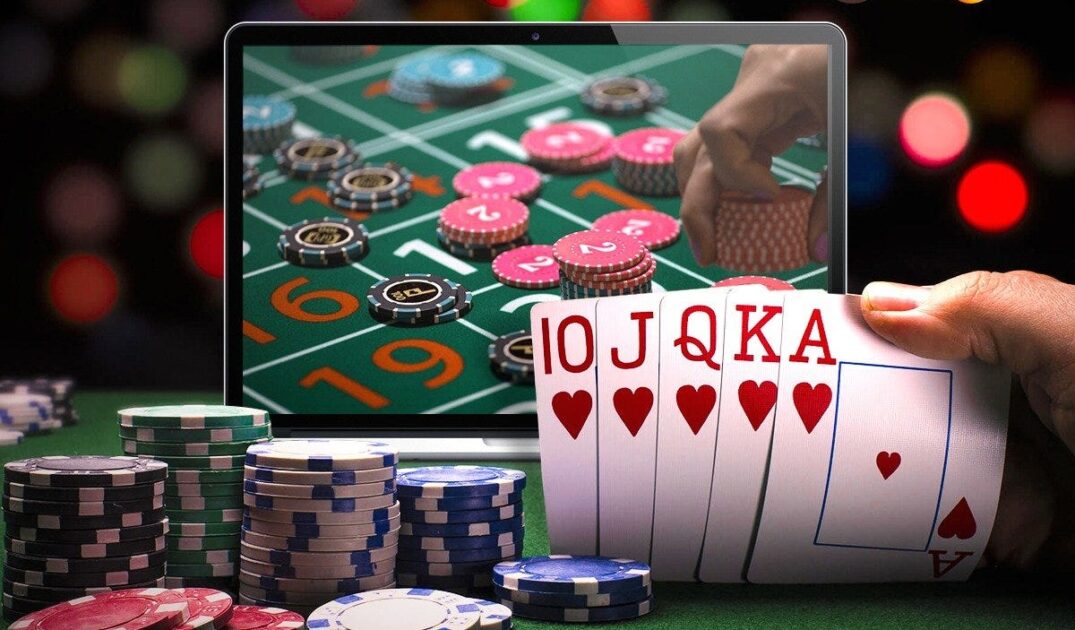
Online and land casinos offer hundreds of titles, yet player attention keeps returning to the same familiar games. New releases appear constantly, but only a few formats continue dominating casino platforms. These games fit how people seek excitement, comfort, and control, which explains why the most popular casino games remain stable over time.
Players usually describe popular casino games through feeling and rhythm rather than rules. Some prefer fast motion and visual feedback, while others choose structure, decisions, or social presence. This article explores why certain formats become the most played casino games and why they stay there.
How Popular Casino Games Earn Long-Term Attention
Popularity forms where games fit emotion, time habits, and daily routines. The most popular casino games succeed because they offer quick entry, fast response, and clear feedback without preparation. Players often return for mood, escape, or light engagement rather than outcomes alone, finding this kind of easy access on many online platforms such as Richard Casino no deposit bonus codes, where digital games and bonus features are designed for short, repeat sessions.
Games that support these needs build repetition, and repetition builds preference. That is why the same few formats continue dominating casino platforms worldwide.
Slot Games and the Language of Instant Response
Slots dominate nearly every casino environment, both physically and digitally, because their design speaks directly to attention, rhythm, and emotional pacing. They fill casino floors, app homepages, and promotional spaces, which keeps them constantly visible. This constant presence reinforces habit and explains why slots remain at the top of popular casino games online lists.
Why Slots Lead Casino Popularity
Slot games remove complexity while preserving stimulation. They are easy to enter, quick to respond, and emotionally active from the first second. Instead of requiring preparation or learning, they immediately match modern habits shaped by scrolling culture, mobile interaction, and short attention cycles.
Slots continue to dominate casino platforms because they consistently deliver several conditions players naturally seek:
- Instant access – one action starts the game, with no rules to memorize or strategies to build
- Immediate feedback – motion, sound, and visual response follow every spin
- Familiar interaction – themes and features change, but the way players engage always feels known
- Low mental effort – reduced thinking lowers entry resistance and supports repetition
- Short-session design – slots fit naturally into brief breaks between other activities
Together, these factors create a rhythm that aligns perfectly with modern entertainment patterns. When a game feels effortless, responsive, and always active, returning to it becomes a habit. That is why slots continue leading lists of the most popular casino games.
Blackjack and the Desire for Personal Influence
Blackjack stands apart from many casino formats because it combines visible structure with real decision-making. Players are not only watching outcomes but shaping them. This balance between simplicity and control explains why blackjack remains one of the most popular casino card games worldwide.
On most large casino platforms, blackjack consistently ranks among the top three table games by number of active players, and in live-dealer sections it often generates one of the highest average session times, showing how strongly it holds attention.
Why Players Keep Returning to Blackjack
Every blackjack hand invites participation. Choices like hitting, standing, doubling, or splitting create a sense of personal influence. That influence builds emotional investment, because outcomes feel connected to decisions rather than automatic motion. Cultural recognition shaped by films and long casino history further lowers entry resistance and creates comfort even before the first hand.
Blackjack continues attracting both beginners and long-time players because it reliably delivers four things players value:
- personal involvement
- clear and readable structure
- emotional tension tied to choice
- depth that remains rewarding over time
Blackjack and Social Table Dynamics
Blackjack tables rarely feel isolated. Players often share reactions, streaks, and tension as hands unfold, especially in live formats. This shared rhythm turns calculation into a small social event. The overlap between interaction and structure widens blackjack’s audience and protects its position among the most played casino games.
Roulette and the Appeal of Visible Fate
Roulette attracts players because results develop in front of their eyes. The spinning wheel and traveling ball turn waiting into part of the entertainment, allowing tension to build instead of appearing instantly.
Roulette is also one of the most universally recognized casino games, present in almost every physical casino and nearly all live-dealer lobbies. Its tables consistently gather groups of players around the same visual focus, reinforcing its role as a shared experience. This visible suspense is why roulette remains one of the most popular casino games both online and offline.
Poker and Competitive Identity
Poker appeals to players who enjoy strategy, patience, and psychological interaction. Unlike most casino formats, poker supports long-term progression. Observation, timing, and emotional control shape not only single hands but entire sessions.
Many players remain loyal to poker for years, often moving between casual and competitive play. This ability to support identity, improvement, and personal style keeps poker strong among top casino games by popularity, even as other formats change.
Live Dealer Games and Social Presence
Live dealer games blend digital access with real human interaction. Physical cards, visible wheels, and real dealers create a sense of presence that automated games cannot fully replicate. The slower rhythm gives each outcome more emotional weight.
Live formats have become one of the fastest-growing segments of online casinos, particularly for blackjack and roulette, as players increasingly seek connection without leaving personal spaces. This balance explains why live dealer games continue expanding among the most popular online casino formats.
Why Players Gravitate Toward Certain Casino Games
Popularity grows from emotional fit rather than game mechanics. Players usually return to formats that match their mood, time patterns, and comfort expectations. Most choices happen unconsciously, guided by how a game feels inside everyday life. Over time, titles that support these emotional needs attract stronger loyalty and more consistent use.
Common reasons casino games players choose most often include:
- Desire for fast emotional feedback and visible response
- Preference for structure, control, or meaningful decisions
- Interest in social presence and shared experiences
- Comfort with familiar interaction styles and simple entry
- Alignment with short, flexible play sessions
These motivations shape behavior more than features or promotion. Games that meet them naturally grow their audience.
Top Casino Games by Popularity and Player Appeal
| Game Type | Core Experience | Why Players Choose It | Emotional Rhythm |
| Slots | Instant visual interaction | Easy entry and constant response | Fast and reassuring |
| Blackjack | Decision-based play | Personal control and clear rules | Engaging and balanced |
| Roulette | Visible outcome formation | Shared tension and simple choices | Suspenseful and smooth |
| Poker | Player competition | Identity, patience, and skill use | Strategic and social |
| Live dealer | Human-led tables | Presence without travel | Grounded and communal |
This table shows how the most popular casino games succeed by matching different emotional preferences. Each format communicates differently, yet all support repeated engagement.
How Technology Reinforced Casino Game Popularity
Digital platforms expanded access without changing what players naturally prefer. Mobile apps and live features simply brought familiar games closer to everyday life. Gambling stopped requiring special time and started fitting existing routines.
Popular casino games online benefited first because they already matched short, flexible sessions. Slots, roulette, and blackjack moved easily onto phones, where simple controls felt natural. As access widened, habits strengthened, which explains why the most played casino games remain stable even as platforms evolve.
The Most Popular Casino Games Reflect Human Patterns
The most popular casino games remain dominant because they match how people prefer to feel while playing. Slots satisfy the desire for quick feedback and constant response. Blackjack supports the need for influence and decision-making. Roulette delivers visible suspense, while poker builds personal narrative and identity. Live dealer games add social grounding and human presence.
Popularity grows where emotional needs feel supported. That support creates loyalty, loyalty shapes markets, and markets reinforce those games through placement and visibility. This cycle explains why certain formats stay central while others pass through short trend phases.
Final Thoughts
The most popular casino games did not become dominant by accident. They earned their position by fitting how people seek comfort, stimulation, and connection. Popular casino games online reflect emotional design more than mathematical advantage. Players return because these games feel familiar, accessible, and easy to integrate into routine. As long as human habits remain similar, these titles will continue defining top casino games by popularity.
FAQs
What are the most popular casino games today?
Slots, blackjack, roulette, poker, and live dealer games consistently attract the highest player numbers.
Why are slot games more popular than others?
Slots offer instant feedback, simple interaction, and visual engagement that suits short play sessions.
Why do players prefer blackjack among table games?
Blackjack provides visible rules, personal decisions, and social rhythm that many players enjoy.
Are live dealer games becoming more popular?
Yes, because they blend digital access with human interaction and shared table presence.
Do popular casino games change often?
Specific titles change, but core formats remain stable due to lasting emotional appeal.